Commercial

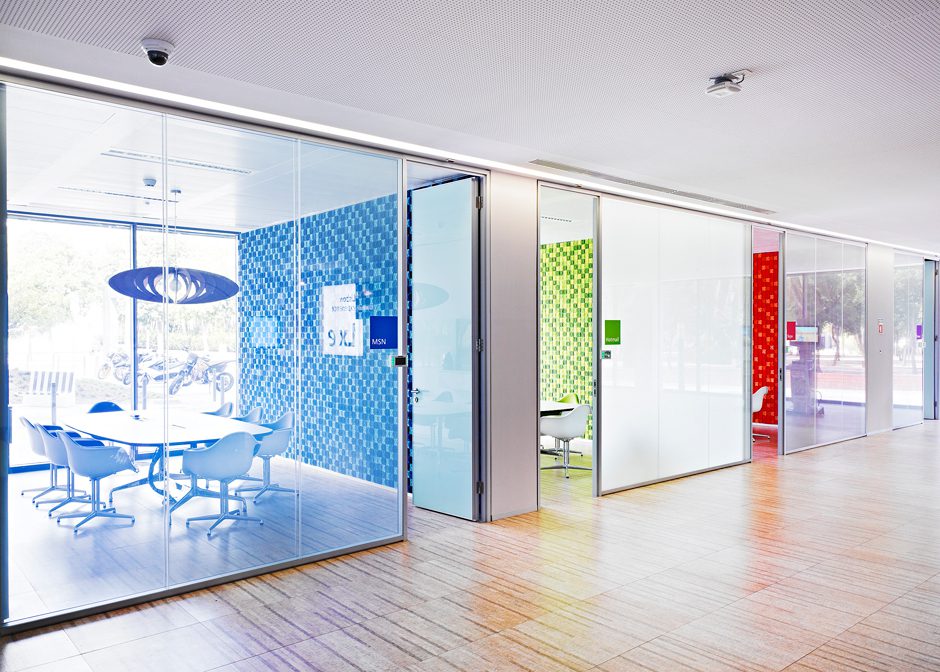
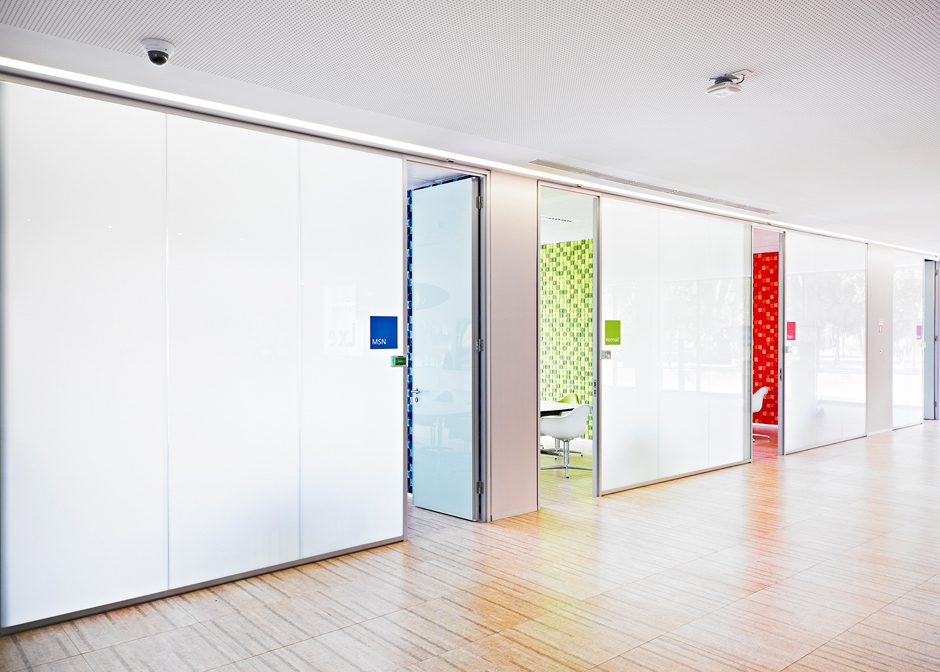
Colorful modern office meeting rooms Bright corridor with patterned room dividers

​Smart Film Commercial Application

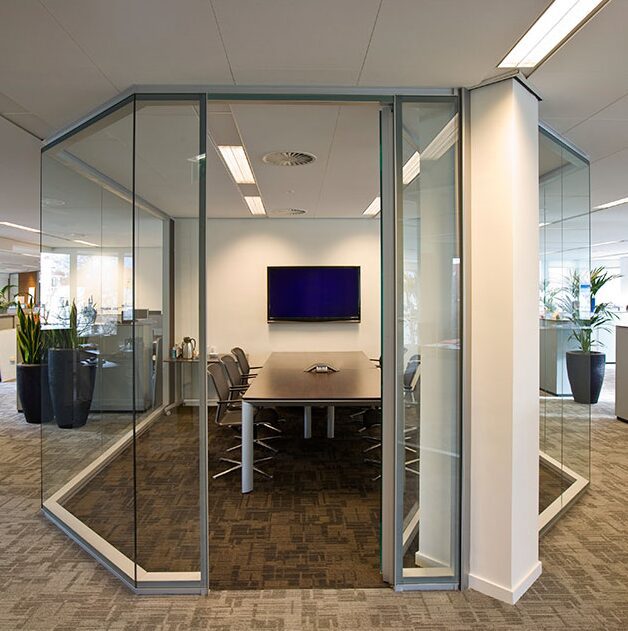
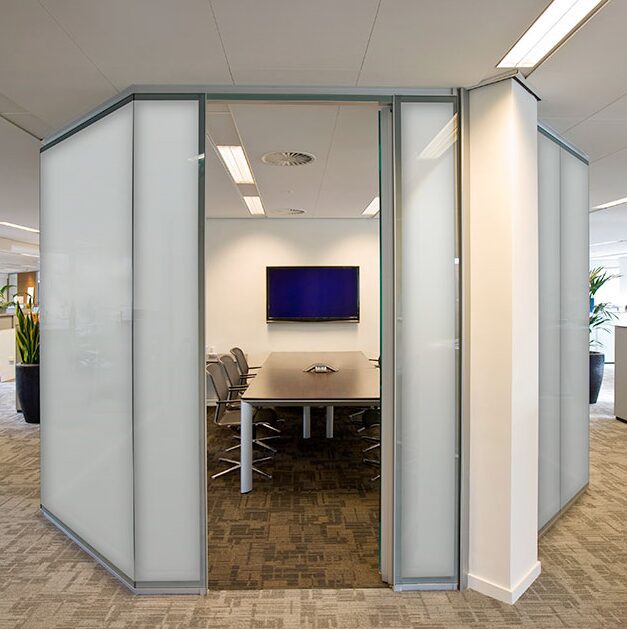
How do you create an open office environment but still have office walls?
With Smart Film of course!!!
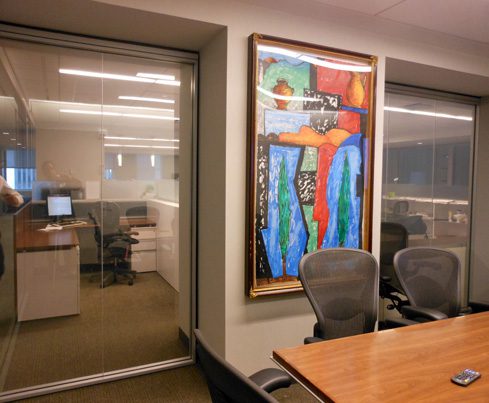
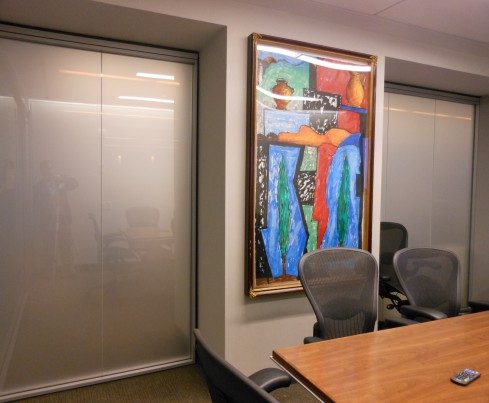
Smart Film on glass walls allows you to maintain the open office setting but gives you the flexibility to create needed privacy at the flip of a switch.

​Get a Free No Obligation Quote

"*" indicates required fields

This field is for validation purposes and should be left unchanged.
Address

FAQ

Does Smart Film Privacy Film Block Harmful UV Rays?

Yes, It blocks over 98% of the harmful UV rays in both its energized and un-energized state.

Is Smart Film Energy Efficient?

What Is the Difference Between Smart Film Self Adhesive and Smart Film Non-Adhesive Backings?

How Much Does Smart Film Cost?

How Can I Purchase or Get a Job Quote?

Can Smart Film Be Installed on The Half of The Glass Only?

Is It Less Expensive than Smart Glass?

Do You Offer Smart Glass?

Can You Project on Smart Film?

Smart Film in Commercial Applications: Transforming Business Environments

​Smart Film, also known as switchable glass or dynamic glass, is revolutionizing commercial spaces with its advanced functionality and versatility. This technology allows glass surfaces to change their opacity or transparency on command, offering a range of benefits from enhanced privacy to improved energy efficiency. Here’s a comprehensive look at how Smart Film can be used in commercial settings and the advantages it provides.
Contemporary conference room with TV screen. Spacious boardroom with minimalist design
Office meeting room with colorful abstract painting Meeting room art display

What is Smart Film?

Smart Film is a type of film applied to glass that can alter its transparency or opacity when exposed to an electric current. It utilizes technologies such as:

  • Electrochromic: Changes color or opacity in response to an electric charge.
  • Liquid Crystal: Adjusts transparency by aligning or misaligning liquid crystals.
  • Suspended Particle Device (SPD): Modifies light transmission by controlling the alignment of particles in a liquid.

Applications of Smart Film in Commercial Settings

Office Buildings and Workspaces

  • Conference Rooms: Smart Film can be used to create private conference rooms by switching glass walls from transparent to opaque. This flexibility allows for open, collaborative spaces that can be quickly reconfigured for confidential meetings.
  • Open Plan Offices: It enables flexible workspace management by creating partitions that can switch from clear to frosted, allowing for dynamic use of office space without permanent walls.

Retail Stores

  • Window Displays: Retailers can use Smart Film for interactive window displays that can switch between clear and opaque to create engaging and eye-catching visuals. This allows for both privacy and display versatility.
  • Fitting Rooms: Smart Film in fitting room mirrors can offer privacy at the touch of a button, enhancing the shopping experience while maintaining a modern, high-tech ambiance.

Healthcare Facilities

  • Patient Privacy: In hospitals and clinics, Smart Film can be applied to glass partitions and windows to provide instant privacy for patients. This can be crucial in areas like patient rooms or treatment areas.
  • Sanitary Environments: Smart Film is easy to clean and maintain, making it ideal for healthcare environments where hygiene and ease of cleaning are priorities.

Educational Institutions

  • Classroom Flexibility: Smart Film can be used in educational settings to create flexible classroom spaces. By switching glass partitions from opaque to transparent, educators can easily adapt rooms for different group sizes and activities.
  • Administrative Offices: It allows for privacy in administrative areas, with the option to switch between open visibility and privacy as needed.

Hospitality Sector

  • Hotel Rooms: Smart Film can be used in hotel room windows and bathroom partitions to provide privacy and enhance the guest experience. The ability to adjust opacity adds a touch of luxury and modernity to hotel rooms.
  • Lobbies and Reception Areas: In hotel lobbies, Smart Film can be employed to create dynamic spaces that shift from open to private, optimizing the use of space based on guest flow and needs.

Benefits of Smart Film in Commercial Applications

Enhanced Privacy and Security

  • On-Demand Privacy: With Smart Film, businesses can provide on-demand privacy for meeting rooms, changing areas, or sensitive work environments. The switchable nature allows for quick adjustments without physical barriers.
  • Protective Barrier: It offers an additional layer of security by making glass surfaces harder to see through when privacy is required.

Energy Efficiency

  • Reduced Cooling Costs: Smart Film can block up to 80% of solar heat gain, reducing the load on air conditioning systems and leading to significant energy savings.
  • Improved Insulation: It helps in regulating indoor temperatures by providing additional insulation, thus contributing to lower heating and cooling expenses.

Glare Reduction and Comfort

  • Adaptive Light Control: Smart Film can reduce glare from direct sunlight, creating a more comfortable work environment and improving productivity. This is particularly useful in office settings and retail environments with large glass facades.
  • Enhanced Visibility: By controlling light transmission, Smart Film ensures optimal visibility for both employees and customers, enhancing overall comfort.

Aesthetic Flexibility

  • Modern Design: The sleek, high-tech look of Smart Film enhances the visual appeal of commercial spaces. It integrates seamlessly into modern architectural designs and can be used to create dynamic, changing environments.
  • Customizable Features: Businesses can customize the level of opacity to match their branding and design needs, making Smart Film a versatile solution for various commercial applications.

Cost-Effectiveness

  • Long-Term Savings: Although the initial investment in Smart Film may be higher than traditional window treatments, the long-term savings in energy costs and maintenance make it a cost-effective choice.
  • Durability: Smart Film is durable and requires minimal maintenance, which reduces long-term costs associated with upkeep and replacement.