
Smart Film Switch Options
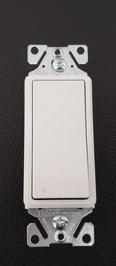
Standard Wall Switch
SF-WS
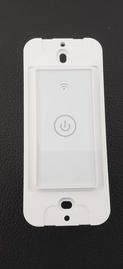
Meross In-Wall Smart Switch
SF-WSM
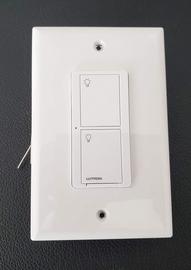
Lutron In-Wall Smart Switch Expansion
SF-WSL
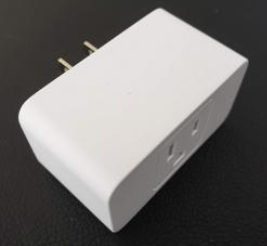
Smart WiFi Plug
SF-WPL
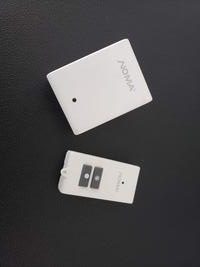
Standard Plug in with Remote
SF-WPRN
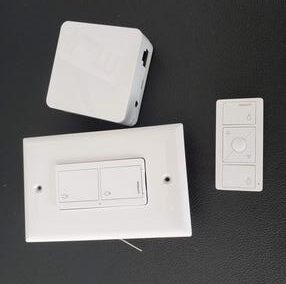
Lutron In-Wall Smart Switch with Remote and Smart Bridge
SF-WPBL
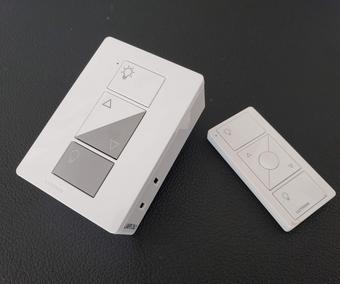
Lutron Plug in with Remote Smart Expansion Kit
SF-WPRL
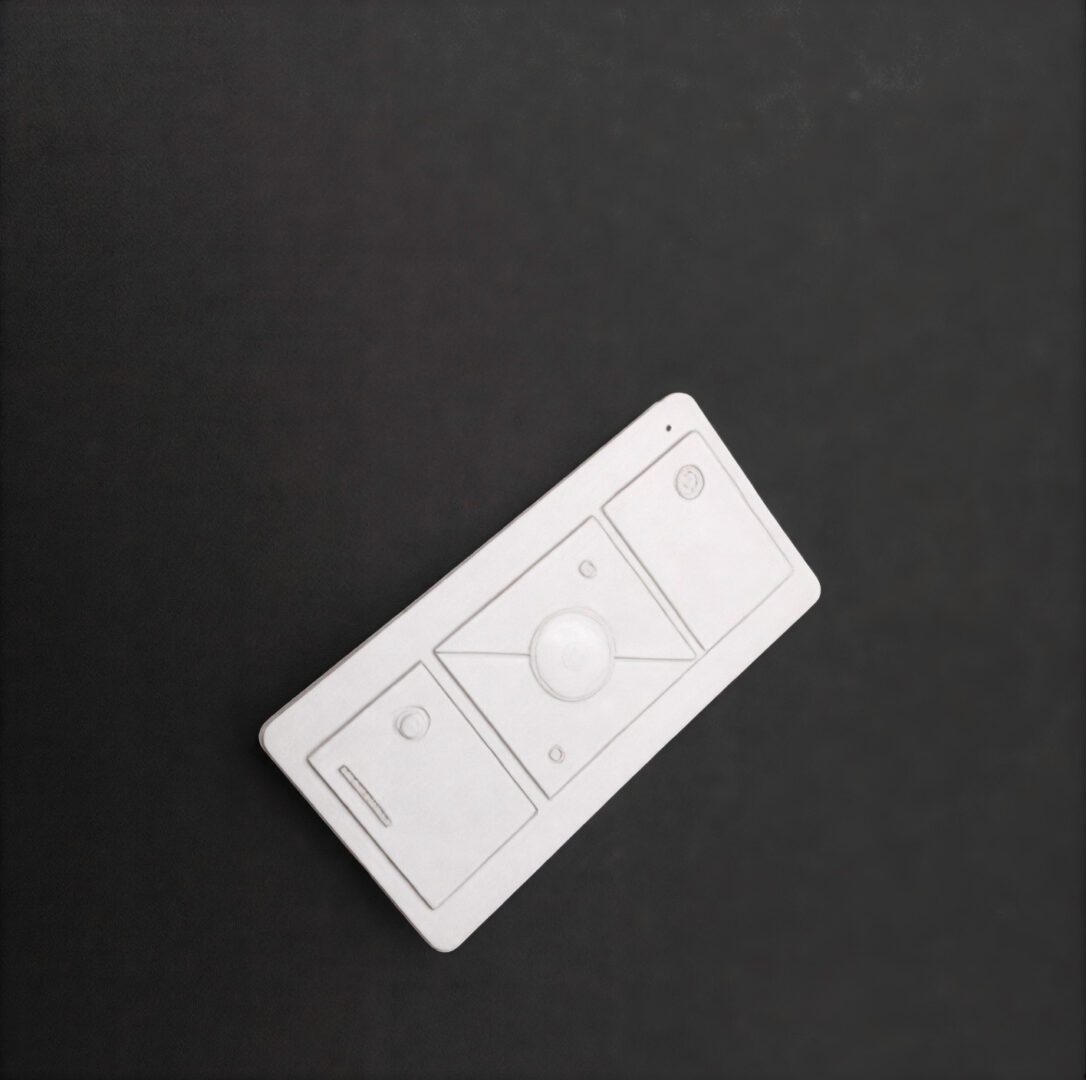
Additional Remote
SF-RL
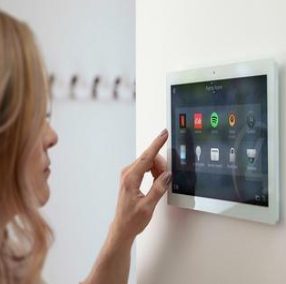
Automation Control Samsung Galaxy Tab A7 10.4" 32GB Android 10.0 Tablet With 8-Core Processor - Black APP controlled internal switched mounted in Transformers.
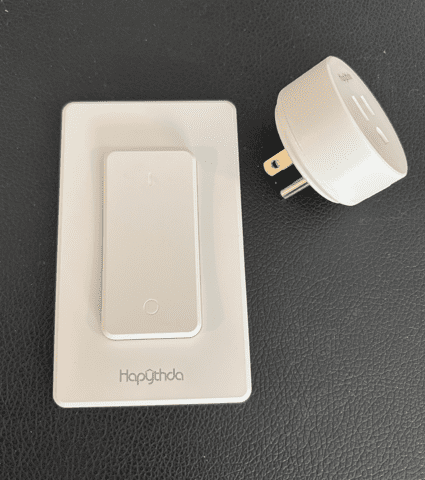
On Wall Plug and Play Smart Switch
SF-OWPRAPP
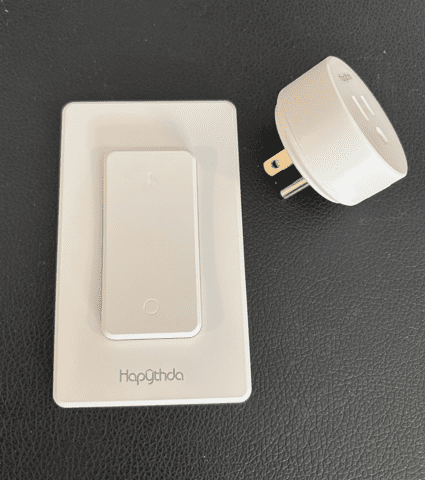
On Wall Plug and Play Switch
SF-OWPR
How to Control Smart Film and Privacy Glass
One of the most exciting things about Smart Film and Smart Glass isn’t just the instant privacy — it’s how easy it is to control.
With a simple command, switch, or tap, your glass can change from clear to frosted in less than a second. That means open views when you want them and privacy exactly when you need it.
Depending on your project, there are several different ways to control Smart Film. Some people prefer a simple wall switch, while others integrate the system into a smart home or building automation platform.
Below is a complete guide to the switching and control options available for Smart Film and Smart Glass, so you can choose the system that works best for your space.
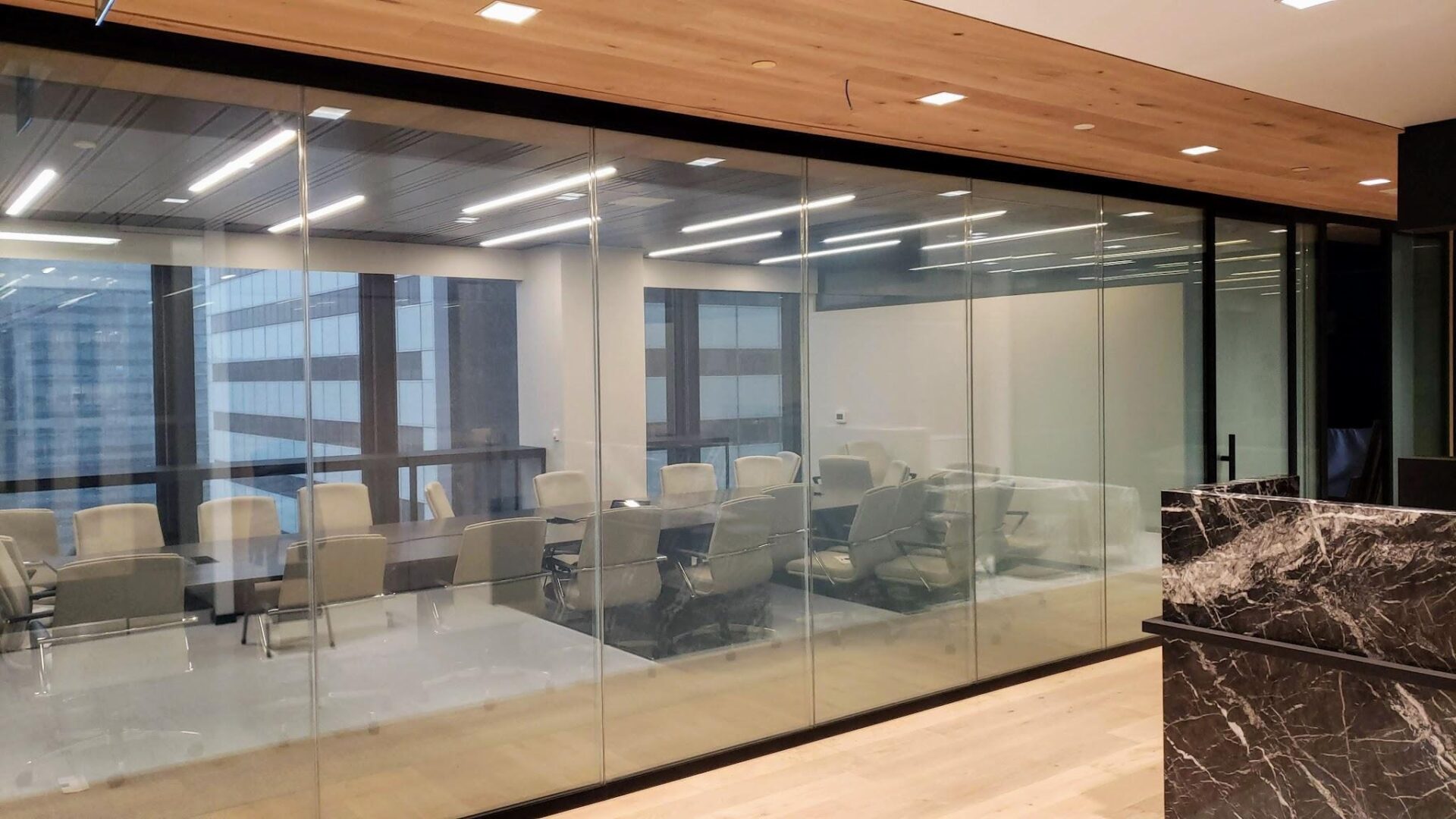
How Smart Film Switching Works
Smart Film and Smart Glass use PDLC technology (Polymer Dispersed Liquid Crystal) to control transparency.
When power is applied, the liquid crystals align and the glass becomes clear.
When power is turned off, the crystals scatter light and the glass turns frosted for privacy.
The change happens almost instantly and uses very little electricity, making Smart Film a highly efficient privacy solution.
Typical switching performance:
F.A.Q.
Smart Film is typically controlled using a wall switch, remote control, or smart automation system.
Yes, It is considered a green product that consumes between 3 and 6 watts per meter squared.
It can use a standard wall switch, but specialized control systems are also available.
Most Smart Film switches in less than 0.1 seconds.
Yes, multiple panels can be connected to a single control system.
Yes, when connected to a smart automation system.
Yes, voice assistants can control Smart Film through smart home integration.
The glass returns to its frosted privacy state.
Yes, Smart Film can switch automatically based on schedules.
Yes, wireless remotes are commonly used.
Yes. Smart Film can be integrated with many building automation systems, allowing facility managers to control privacy glass through centralized building controls. This makes it easy to automate glass partitions in offices, hotels, hospitals, and commercial buildings so they switch between clear and frosted at specific times or based on room usage.
Yes, Smart Film uses very little power. When the glass is in the clear state, it typically consumes about 3–5 watts per square foot, which is comparable to a small LED light. When the power is turned off, the glass automatically returns to its frosted privacy state and uses no electricity at all.
Yes. A single Smart Film control system can operate multiple windows or glass panels at the same time. This is especially useful in spaces like boardrooms, office partitions, or large residential windows, where several glass panels need to switch together.
No, it’s very simple to operate. Most Smart Glass systems work just like a light switch. With the flip of a switch, tap of a touch panel, or command from a remote or app, the glass instantly changes from clear to frosted.
Yes. Smart Film can be integrated with many building automation systems, allowing facility managers to control privacy glass through centralized building controls. This makes it easy to automate glass partitions in offices, hotels, hospitals, and commercial buildings so they switch between clear and frosted at specific times or based on room usage.
Yes, Smart Film uses very little power. When the glass is in the clear state, it typically consumes about 3–5 watts per square foot, which is comparable to a small LED light. When the power is turned off, the glass automatically returns to its frosted privacy state and uses no electricity at all.
Yes. A single Smart Film control system can operate multiple windows or glass panels at the same time. This is especially useful in spaces like boardrooms, office partitions, or large residential windows, where several glass panels need to switch together.
No, it’s very simple to operate. Most Smart Glass systems work just like a light switch. With the flip of a switch, tap of a touch panel, or command from a remote or app, the glass instantly changes from clear to frosted.
Yes. When connected to a smart home or automation system, Smart Film can be controlled through mobile apps. This allows users to change the glass from anywhere in the building using their phone or tablet.
Yes, Smart Glass is ideal for boardrooms. It allows meeting spaces to instantly switch between an open, transparent environment and a private frosted glass wall. This is why many modern offices use Smart Glass in conference rooms and executive meeting areas.