
Automatic Window Tint
What is Automatic Window Tint?
Automatic window tint is an advanced glass or window film technology that can change its appearance in response to sunlight, electricity, sensors, or user controls. Depending on the technology, automatic tinted windows can switch from clear to private, become darker in sunlight, or electronically adjust the amount of visible light passing through the glass.
These products are also commonly described as electric tint, electronic tint, electric tint windows, or electric tinted glass. While these terms are often used interchangeably, the technology behind them can be very different.
Common solutions include PDLC Smart Film, switchable Smart Glass, transitional window tint, photochromic window film, electrochromic glass, and SPD smart glass. PDLC technology provides electrically controlled clear-to-frosted privacy, while electrochromic and SPD technologies are designed to electronically adjust shading or visible light transmission. Transitional Film works differently, automatically becoming darker in response to sunlight without requiring electricity.
Smart Film Inc. manufactures automatic window tint solutions for residential, commercial, architectural, and specialty applications throughout North America.
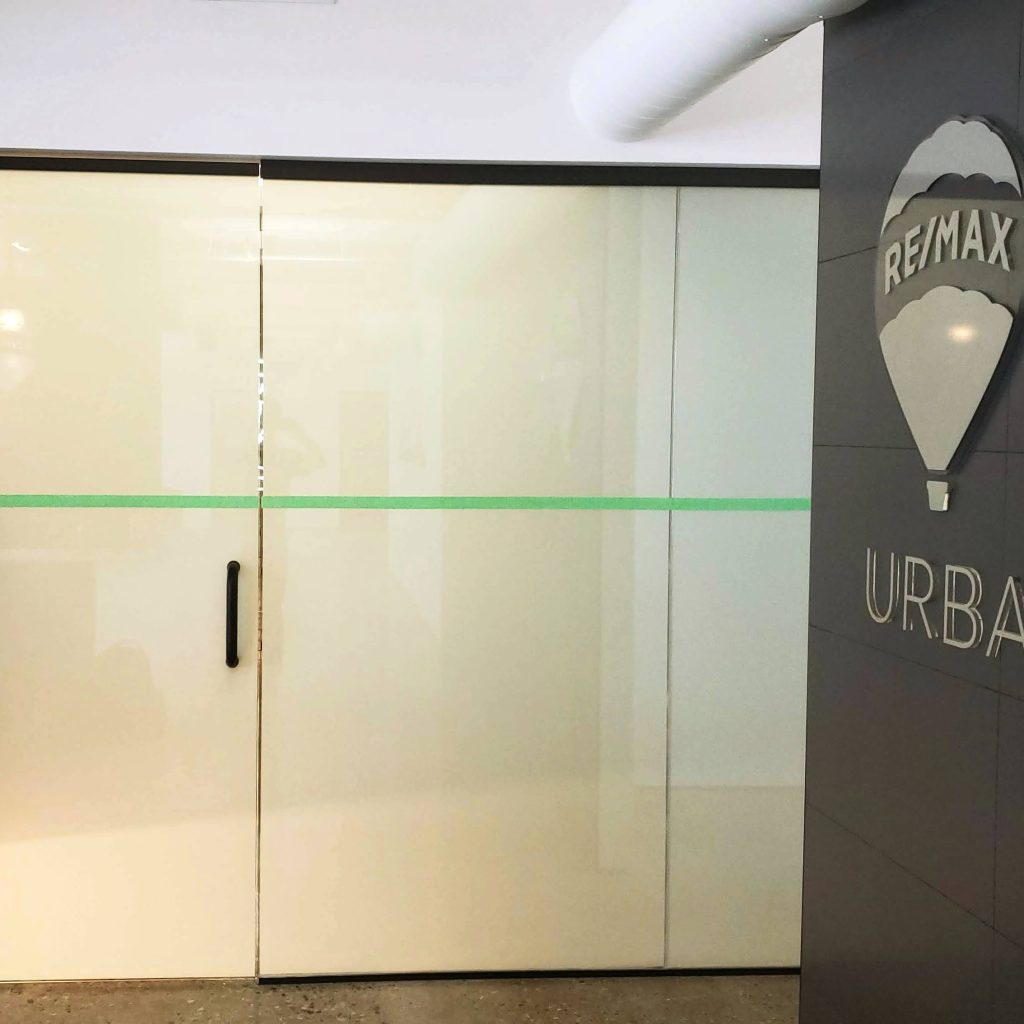
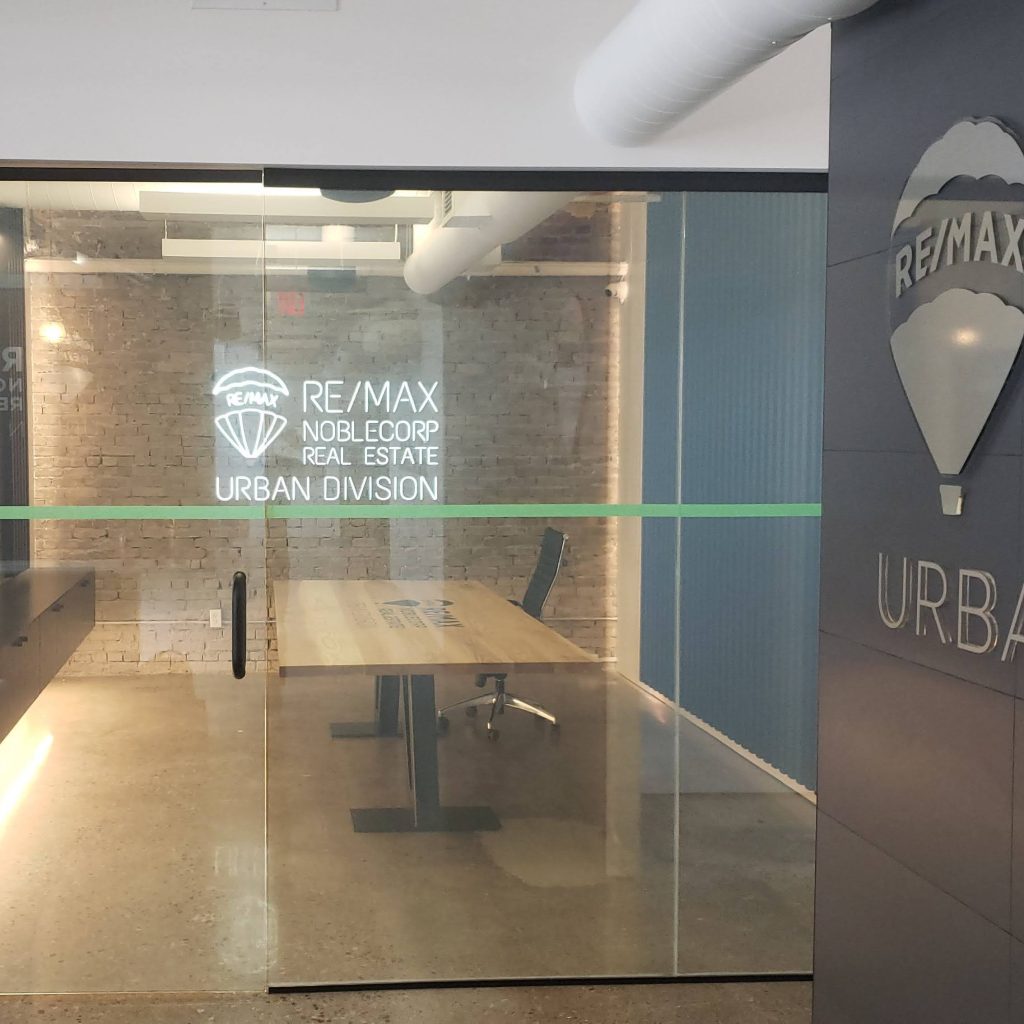
Transform Any Glass Into Automatic Tinted Windows for Instant Privacy, Comfort & Energy Efficiency
0%
UV Protection0%
Solar ReductionCustom shapes and sizes can be cut with precision CNC lasers, and multiple panels can be joined for large switchable walls or partitions.
Electric Tint Windows & Electronic Tint Technology
Electric tint windows use electrically controlled technology to change the appearance or optical properties of glass. Depending on the system, the glass may switch from transparent to frosted for privacy or adjust from lighter to darker for glare and solar control.
The terms electric tint and electronic tint are commonly used to describe several different smart window technologies, including PDLC, electrochromic glass, and SPD glass. Although they are frequently grouped together, they do not produce the same result.
PDLC Smart Film and Smart Glass use electricity to switch between transparent and frosted states, making them particularly effective for privacy applications. Electrochromic and SPD technologies are better suited to applications where the objective is adjustable shading while maintaining a view through the glass.
For existing windows, PDLC Smart Film can transform suitable glass into an electrically controlled privacy surface without replacing the entire window. For new construction, electric tinted glass can be incorporated into laminated Smart Glass or insulated glass configurations depending on the project requirements.
Electric tint windows can also be integrated with wall switches, remote controls, smartphones, sensors, smart-home systems, and building automation, allowing privacy or shading to be controlled as part of the overall building environment.
The right technology depends on the desired result. If the objective is instant privacy, PDLC Smart Film or Smart Glass is typically the appropriate solution. If the goal is variable transparent shading or solar control, electrochromic or SPD technology may be better suited to the application.
Understanding the Different Types of Automatic Window Tint
Today's automatic window tint products generally fall into several categories:
| Technology | Changes To | Power Required | Primary Purpose |
|---|---|---|---|
| PDLC Smart Film | Clear ↔ Frosted | Yes | Privacy |
| Electrochromic Glass | Clear ↔ Dark | Yes | Solar control |
| SPD Smart Glass | Clear ↔ Dark | Yes | Premium shading |
| Photochromic (Transitional Film) | Light ↔ Dark | No | Automatic sunlight response |
| Thermochromic Glass | Light ↔ Dark | No | Heat response |
Although these technologies are often grouped together under the term automatic tinted windows, they operate using completely different scientific principles.
Choosing the correct solution depends on several factors including privacy requirements, energy performance, installation method, building design, and budget.
Our films are available up to 2 meters (78.5") wide and any required length for your project.

Comparing Automatic Window Tint Technologies
Our range of films can be professionally retrofitted onto existing glass worldwide, offered as custom-cut sheets or rolls for certified installers. Explore the complete adhesive Smart Film collection.

PDLC Smart Film & Smart Glass
PDLC Smart Film and Smart Glass are forms of electrically controlled privacy glass and are often found by people searching for electric tint, electronic tint, or electric tint windows. Unlike conventional tinted glass, however, PDLC is designed primarily for instant privacy rather than variable solar shading.
When electrical power is applied, microscopic liquid crystal molecules align, allowing light to pass through and making the glass appear transparent. When power is removed, the crystals scatter light, transforming the glass into a frosted privacy surface while continuing to allow natural daylight into the space.
Unlike tinting technologies that progressively darken glass, PDLC does not provide multiple levels of transparent dark tint. Its ability to switch almost instantly between transparent and private makes it ideal for conference rooms, office partitions, healthcare facilities, bathrooms, hotel suites, retail spaces, residential applications, glass doors, and other areas where privacy is required on demand.
For retrofit applications, Smart Film can be installed on suitable existing glass. For new construction, PDLC can also be incorporated into laminated Smart Glass and compatible glazing systems, providing a factory-integrated electric privacy glass solution.
SPD Smart Glass (Suspended Particle Device)
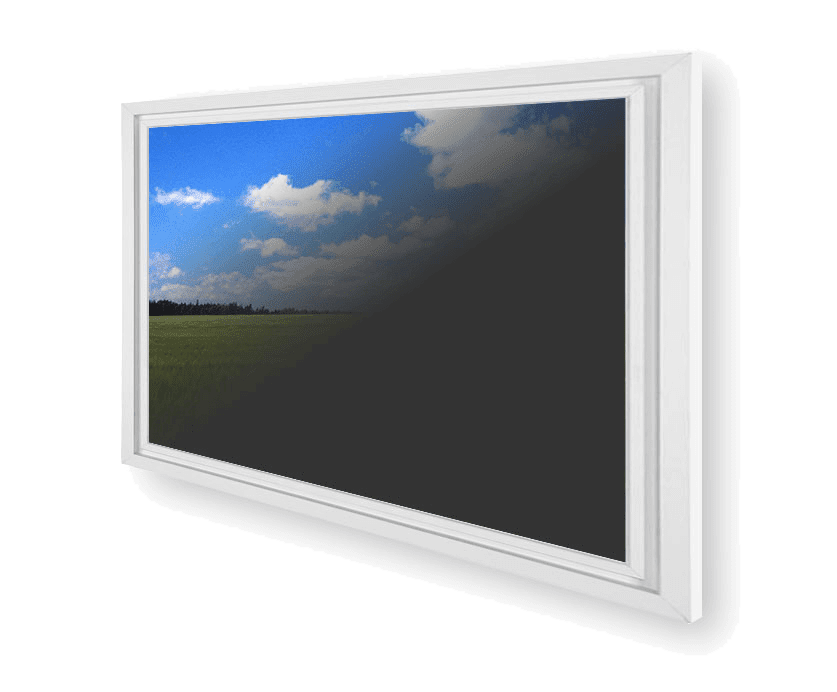
SPD Smart Glass uses microscopic suspended particles embedded within the glazing that align when electricity is applied, allowing the glass to transition smoothly between multiple tint levels. Unlike PDLC, which switches between clear and frosted, SPD maintains visibility while continuously controlling the amount of light entering the space. The technology switches rapidly and provides exceptional glare reduction, solar heat control, and user-adjustable shading. Because of its premium performance and higher manufacturing cost, SPD is most commonly found in luxury vehicles, yachts, aircraft, executive boardrooms, and specialty architectural projects. Its ability to instantly vary tint levels while preserving exterior views makes SPD one of the most advanced dynamic glazing technologies available for high-end applications.
ELECTROCHROMIC GLASS
Electrochromic Glass is an electronically controlled glazing technology that gradually changes from clear to darker tint to manage sunlight, glare, and solar heat gain. Unlike PDLC Smart Film, its primary purpose is energy efficiency and occupant comfort rather than privacy. A small electrical current causes the electrochromic coating to darken over several minutes, allowing occupants to maintain outdoor views while reducing interior heat buildup and glare. Once the desired tint level is reached, very little power is required to maintain it. Electrochromic glass is commonly installed in commercial office buildings, airports, museums, universities, and other high-performance architectural projects where daylight control and energy savings are priorities. It offers a premium solution for reducing HVAC loads while improving comfort in buildings with large glass façades.

Transitional Film (Photochromic Film)
Transitional Film, also known as Photochromic Film, is a self-tinting window film that automatically darkens in response to ultraviolet (UV) sunlight without requiring electricity, wiring, or user controls. Special photochromic molecules react naturally to changing sunlight intensity, gradually darkening during bright conditions and returning to a lighter state as UV exposure decreases. Unlike PDLC Smart Film, Transitional Film does not provide instant privacy or electrically controlled operation. Instead, it continuously adjusts throughout the day to reduce glare, improve occupant comfort, minimize solar heat gain, and help lower cooling demands. Because it operates entirely automatically with virtually no maintenance, Transitional Film is an excellent solution for homes, commercial buildings, sunrooms, skylights, and other applications where passive solar control and energy efficiency are more important than switchable privacy.
Applications
Residential
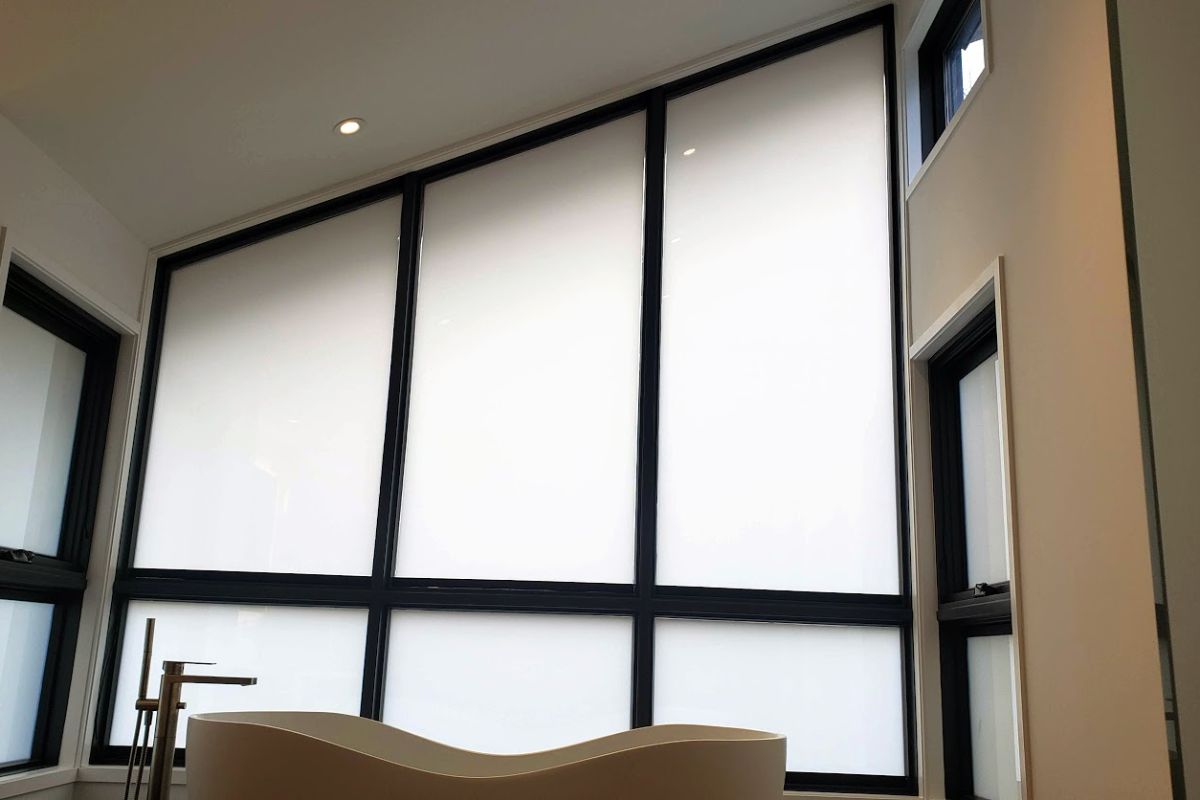
Take full control of daylight in living areas. Enjoy privacy without sacrificing natural light.
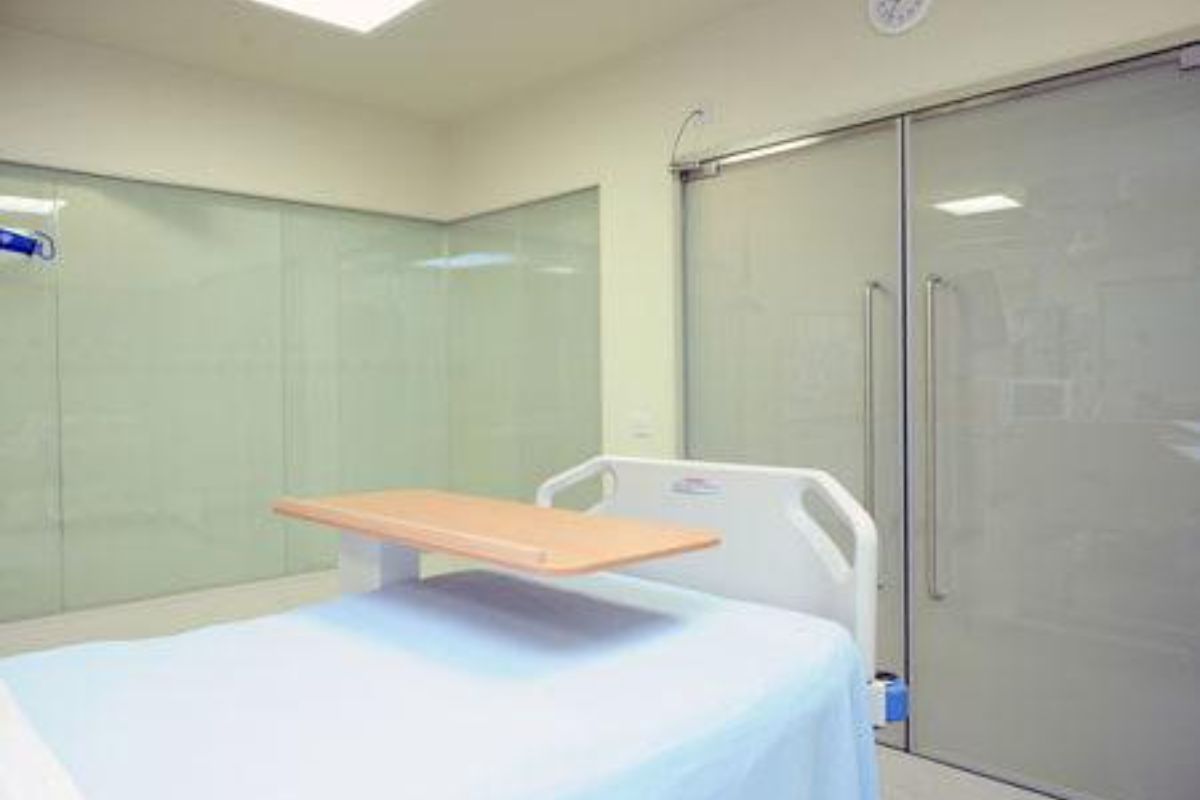
Healthcare
Patients recover faster and feel more comfortable with natural light and exterior views.
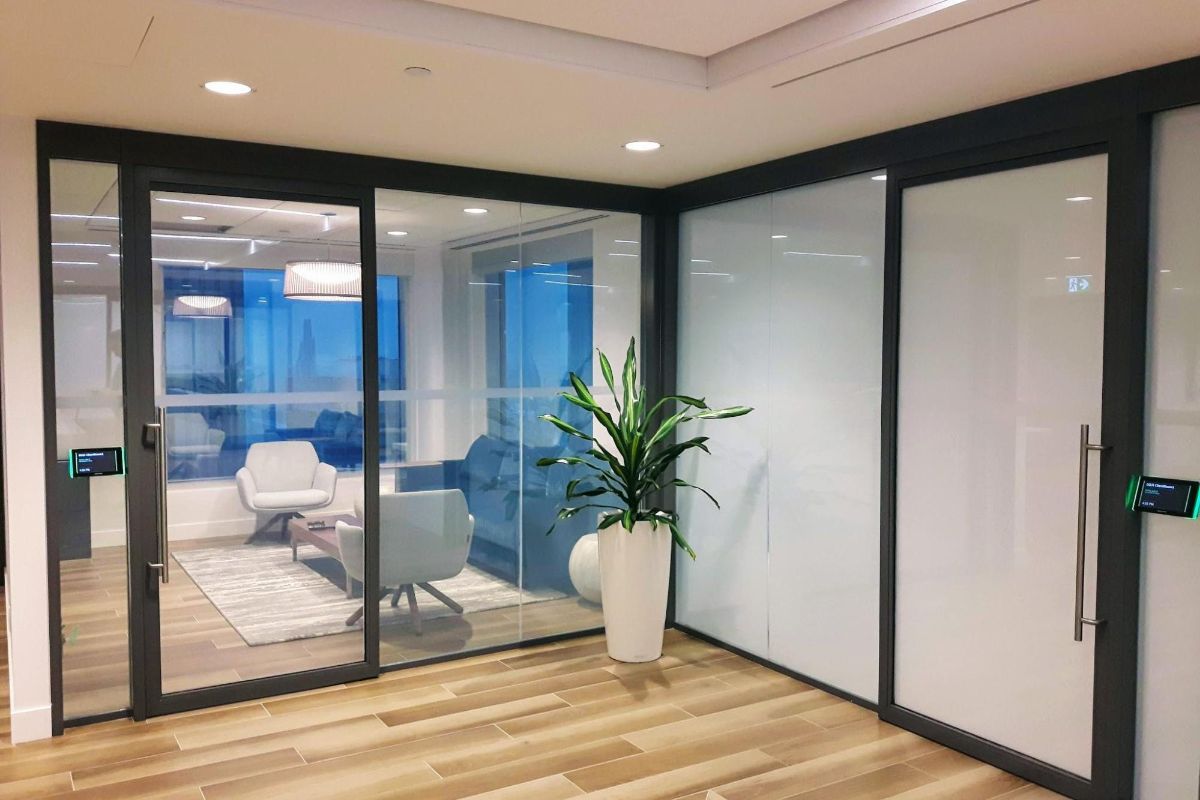
Commercial
Enhance employee well-being and productivity with daylight and flexible privacy.
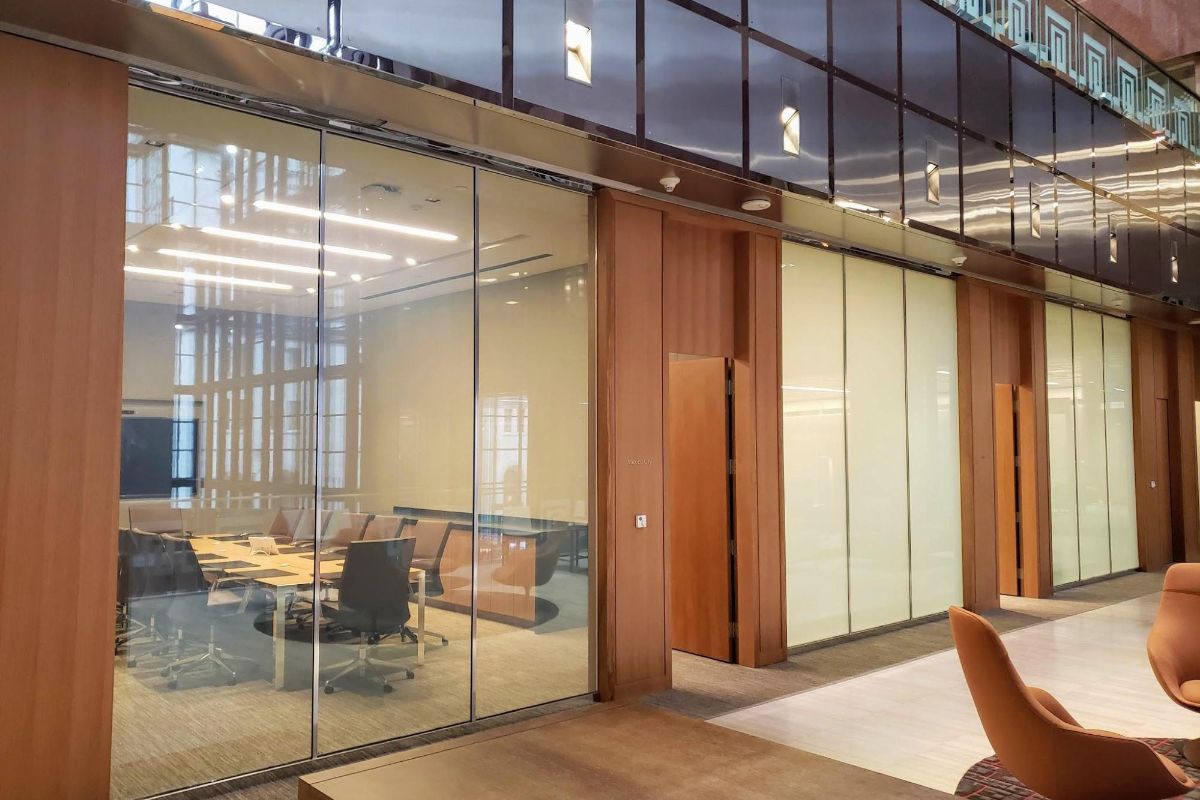
Office Buildings
Create spaces optimized for work and collaboration with natural light and optional privacy
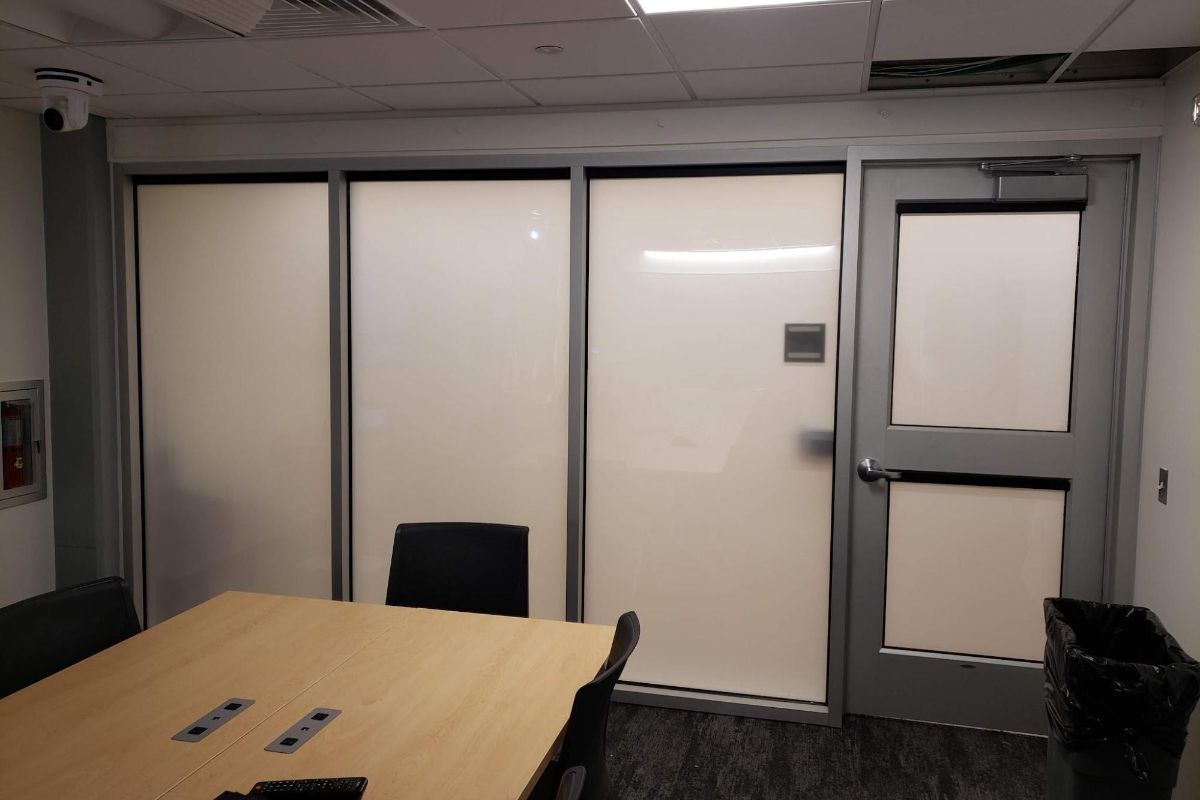
Education
Daylight and outside views foster focus, learning, and engagement in students.
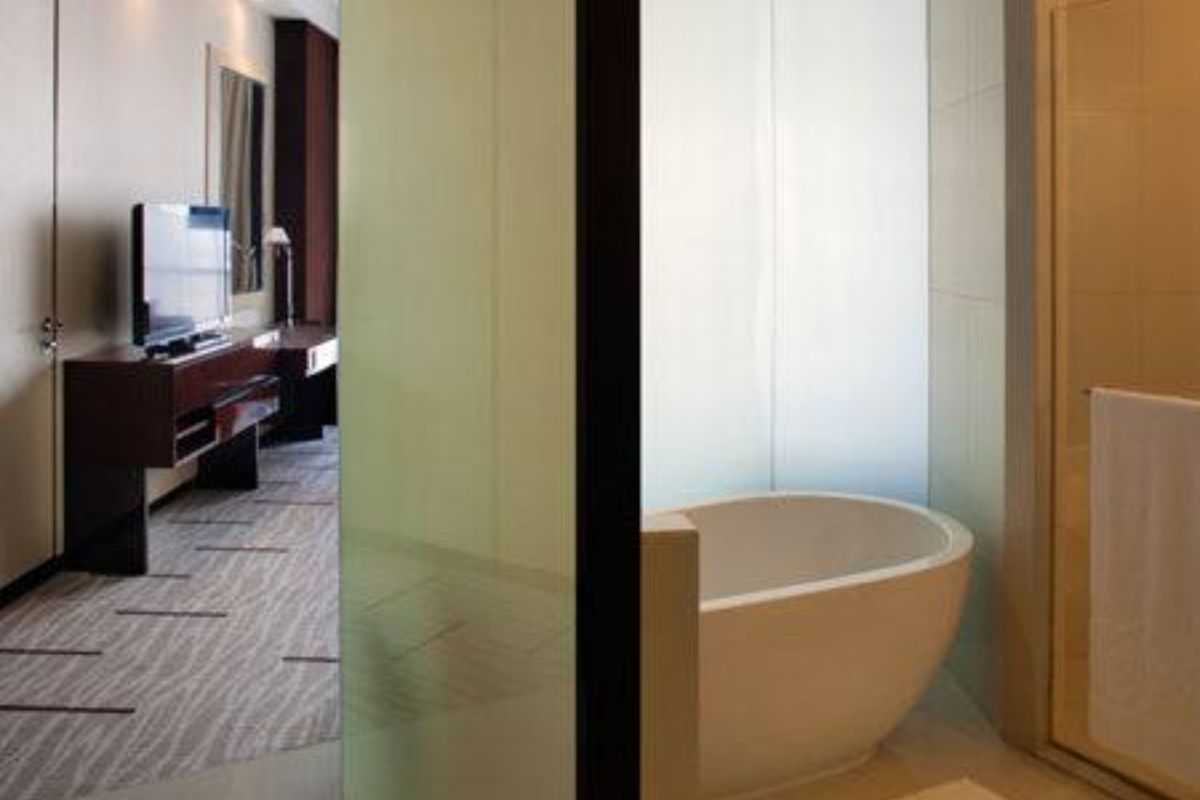
Hospitality
Control sunlight and heat gain for a comfortable and welcoming hotel or restaurant experience.
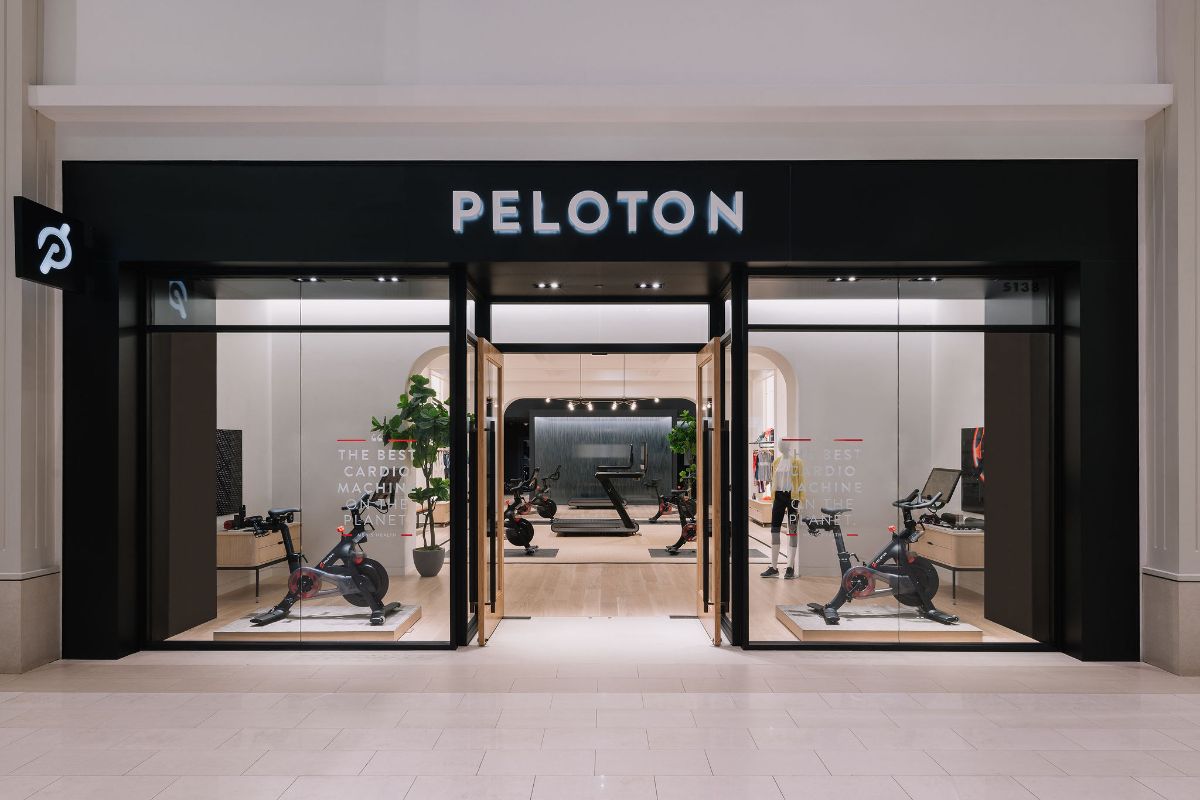
Retail
Increase foot traffic and sales by maximizing daylight and outside views in store layouts.
Video Marketing
Transform Smart Film into full 4K ultra-projection surfaces for advertising and presentations.
Where Are Different Automatic Window Tint Technologies Most Commonly Used?
Different types of automatic window tint are designed for different purposes. Some technologies focus on instant privacy, while others are engineered for solar control, glare reduction, adjustable shading, or automatically changing tint levels. Understanding where each technology is most commonly used can help determine which type of smart window technology is appropriate for a project.
Each technology solves a different problem. PDLC primarily provides privacy, photochromic film reacts automatically to sunlight, electrochromic glass manages daylight and solar conditions, while SPD provides fast, adjustable transparent shading.
PDLC Smart Film & Smart Glass — Privacy Applications
PDLC technology is most commonly used where instant privacy glass is required. Popular applications include glass conference rooms, office partitions, bathroom windows, residential doors, medical facilities, hotel suites, retail spaces, and interior glass walls.
Because PDLC changes from transparent to frosted on demand, it is particularly well suited for switchable privacy glass, electric privacy film, smart privacy windows, privacy glass doors, and retrofit applications where existing glass needs to become private without blinds or curtains.
For new construction, electric tinted glass and integrated PDLC Smart Glass provide a factory-built solution for projects requiring electronically controlled privacy.
SPD Smart Glass — Automotive & Specialty Glazing
SPD technology is most commonly associated with automotive, aviation, marine, and specialty glazing applications where maintaining visibility while controlling incoming light is important.
Applications can include vehicle windows, panoramic roofs, sunroofs, aircraft windows, yachts, and specialty architectural glass. Related terms include adjustable window tint, electric window tint, variable tint glass, smart tint for cars, electronic tinting, and dimmable glass.
Electrochromic Glass — Architectural Solar Control
Electrochromic glass is commonly used in commercial buildings, exterior façades, skylights, airports, institutional buildings, and high-end architectural projects.
Its ability to gradually change visible light transmission makes it particularly suitable for dynamic glass, electronic window tint, adjustable smart windows, solar-control glass, and automated daylight-management systems.
Transitional Window Tint & Photochromic Film — Sun-Activated Tinting
Photochromic or transitional window film is primarily used where the goal is automatic tint adjustment based on sunlight. The film becomes darker as sunlight exposure increases and returns toward a lighter appearance as conditions change.
Common applications include residential windows, commercial exterior glazing, specialty glass, and certain vehicle applications. It may also be considered by people searching for self-tinting windows, auto-darkening window film, sunlight-activated window tint, adaptive window film, or window tint that changes with sunlight.
Automatic Window Tint for Cars and Vehicles
The automotive industry has become one of the most recognized applications for automatic window tint technology. Depending on the type of system, vehicle glass can change from clear to darker, adjust its level of shading, or switch between transparent and private.
Several different technologies are associated with smart tint for cars, and they should not be confused with one another.
SPD smart glass is commonly used for automotive applications where adjustable shading is required while maintaining visibility through the glass. Applications can include panoramic roofs, sunroofs, side glass, and specialty vehicle glazing.
Photochromic or transitional window tint responds to sunlight rather than electricity. As sunlight exposure increases, the material becomes darker and then gradually returns toward a lighter state when sunlight decreases. This technology is commonly associated with searches for transition window tint for cars, auto-darkening window film, sunlight-activated window tint, and window tint that changes automatically.
PDLC Smart Film operates differently. Instead of becoming progressively darker, PDLC changes from transparent to frosted, making it primarily a privacy technology. For this reason, it may be better suited to specialty vehicles, limousines, recreational vehicles, buses, partitions, and other applications where switchable privacy glass is required.
Electrochromic technology can also be used in automotive glazing to electronically adjust light transmission and help control sunlight and glare.
Terms such as electric window tint, electronic tinting, adjustable window tint, remote control window tint, smart tint for cars, and automatic tinted windows are often used interchangeably online. However, the underlying technologies can operate very differently.
Understanding whether the goal is privacy, darker glass, solar control, glare reduction, or automatic sunlight response is the first step in choosing the appropriate smart window tint technology for a vehicle.

Why Choose Smart Film Inc.?
Why Smart Film Inc.?
🏆 10+ Years of Manufacturing Excellence
⚡ North America's First UL Recognized Smart Film
🇨🇦🇺🇸 Manufactured in Canada & USA
🌎 200+ Certified Dealers & Installers
🚚 Industry-Leading 2–5 Day Production
📐 Built to Your Exact Dimensions
🏢 Residential • Commercial • OEM Manufacturing
Precision Manufacturing You Can Trust
🏆 Precision Laser Cut for Every Project
⚡ 100% Electrically Tested Before Shipping
📐 Custom Fabricated to Exact Dimensions
🔍 Rigorous Multi-Point Quality Control
🔌 Professionally Installed Bus Bars
⚙️ Matched Transformers & Smart Controls
📦 Secure Packaging for Damage-Free Delivery
Why Choose Smart Film?
🏠 Perfect for Retrofitting Existing Glass
💰 Lower Installation Cost Than Replacing Glass
⚡ Fast Installation with Minimal Disruption
🪟 Transforms Existing Glass into Smart Glass
📐 Custom Laser Cut to Your Exact Dimensions
🏡 Ideal for Residential & Commercial Renovations
🎛️ Instant Privacy, UV Protection & Smart Controls
Why Choose Smart Glass?
🏗️ Designed for New Construction Projects
🏢 Factory-Laminated for a Premium Finish
🪟 Integrated Into New Windows & Doors
🌡️ Available in Insulated & Laminated Glass Units
📏 Custom Manufactured to Your Exact Specifications
🏙️ Preferred by Architects, Builders & OEM Manufacturers
🎛️ Instant Privacy, UV Protection & Smart Controls
Why More Property Owners Are Choosing Automatic Tinted Windows
Depending on the technology selected, automatic window tint can provide benefits including:
- 🌞 Enhanced Comfort – Reduces glare, balances natural daylight, and creates a more comfortable indoor environment for working, relaxing, and living throughout the day.
- ⚡ Improved Energy Efficiency – Helps minimize solar heat gain, reducing cooling loads and improving HVAC efficiency, especially in buildings with large glass areas.
- 🏢 Modern Architectural Design – Preserves clean, open views while providing flexible daylight management and privacy without bulky blinds or curtains.
- 🔒 Instant Privacy – Technologies like PDLC Smart Film switch from clear to frosted in seconds, delivering privacy on demand without sacrificing natural light.
- 🛡️ UV Protection – Blocks a high percentage of harmful ultraviolet (UV) rays, helping protect furniture, flooring, artwork, and interior finishes from fading.
- 🤖 Intelligent Glass Technology – Automatically or electronically adapts to changing conditions, providing a smarter alternative to traditional window coverings and fixed-tint films.
- 💡 Reduced Dependence on Blinds – Eliminates the need for curtains, blinds, or shades, resulting in cleaner aesthetics, lower maintenance, and unobstructed views.
- 🌍 Sustainable Building Solution – Supports energy-conscious building design by improving occupant comfort while helping reduce overall energy consumption and environmental impact.
How Does Automatic Window Tint Work?
At first glance, Automatic Window Tint appears almost magical. A window that changes from clear to dark—or clear to frosted—without replacing the glass seems like something from the future. In reality, these technologies are built on decades of research in materials science, optics, and electrical engineering.
Although all automatic window tint products change the appearance of glass, they do so using very different mechanisms. Understanding these differences is essential for choosing the right solution for your home, office, commercial building, or specialty project.
Some systems react automatically to sunlight. Others respond to heat. Many can be controlled manually through a wall switch, smartphone, building automation system, or voice assistant. Each technology is designed for a specific purpose, whether that is privacy, glare reduction, solar heat control, or a combination of these benefits.
The Science Behind Automatic Window Tint
Every automatic window tint technology works by changing how light passes through the glass. Instead of permanently blocking light like conventional window film, these advanced systems dynamically alter the transmission, scattering, or absorption of visible light.
Automatic Window Tint Technologies Pros & Cons
| Technology | ✅ Advantages | ⚠️ Limitations | 🏢 Common Uses |
|---|---|---|---|
| ⚡ PDLC Smart Film | ✓ Instant privacy✓ Retrofit existing glass✓ Fast switching✓ App/remote control | – Frosted, not dark tint– Requires power | OfficesBathroomsHomesHotelsGlass doors |
| 🪟 PDLC Smart Glass | ✓ Integrated into glass✓ Instant privacy✓ Clean appearance✓ Automation ready | – Higher cost– Glass replacement | New constructionLuxury homesCommercialHealthcare |
| ☀️ Photochromic Film | ✓ Sun activated✓ No electricity✓ Automatic darkening✓ Helps reduce glare | – Limited user control– Sunlight dependent– Slower transition | Exterior windowsHomesCommercialVehicles |
| 🌗 Electrochromic Glass | ✓ Adjustable tint✓ Maintains visibility✓ Solar/glare control✓ Automation ready | – Higher cost– Slower transition– Specialized glazing | Building façadesSkylightsCommercialInstitutional |
| 🚘 SPD Smart Glass | ✓ Fast darkening✓ Adjustable shading✓ Maintains visibility✓ Strong glare control | – Higher cost– Requires power– Specialized system | AutomotiveAviationMarinePanoramic roofs |
| 🌡️ Thermochromic | ✓ Heat activated✓ No manual control✓ Passive operation | – Temperature dependent– Limited control– Less common | Exterior glassSolar controlSpecialty glazing |
Frequently Asked Questions About Automatic Window Tint
Automatic window tint refers to window film or smart glass technology that can change its appearance, privacy level, or tint based on electricity, sunlight, heat, sensors, or user controls. Depending on the technology, automatic tinted windows may switch from clear to frosted, gradually become darker, or automatically react to changing sunlight. Common technologies include PDLC Smart Film, electrochromic glass, SPD glass, and transitional or photochromic window film.
Automatic window tint works by changing how light passes through or interacts with glass. The exact process depends on the technology. PDLC Smart Film uses electricity to switch between clear and frosted states, while electrochromic and SPD technologies electronically control tint or shading. Transitional window tint works differently, using photochromic materials that automatically darken when exposed to sunlight and UV.
Automatic tinted windows are windows that can change their level of privacy, shading, or visible light transmission instead of remaining at one fixed tint. Some systems respond automatically to sunlight, while others use electricity and can be controlled through switches, remotes, apps, sensors, or building automation systems. The best technology depends on whether the main goal is privacy, glare reduction, solar control, or adjustable shading.
Yes. Certain types of automatic window film can be retrofitted directly onto existing glass, eliminating the need to replace the entire window. PDLC Smart Film is commonly applied to existing interior glass when switchable privacy is required. Transitional or photochromic window film can also be applied to compatible glass where automatic sunlight-responsive tinting is desired. The appropriate product depends on the glass and intended application.
Traditional window tint generally has a fixed level of darkness that remains the same throughout the day. Automatic window tint can change based on sunlight, electricity, temperature, sensors, or user commands. This allows automatic tinted windows to adapt to changing conditions and provide privacy, glare reduction, solar control, or shading only when needed rather than permanently darkening the glass.
Some technologies do, while others do not. Electrochromic, SPD, and transitional window tint can reduce visible light and create a darker appearance. PDLC Smart Film works differently: it primarily changes glass from transparent to frosted for privacy rather than creating a conventional dark tint. This distinction is important when choosing an automatic window tint solution because privacy and solar shading require different technologies.
Transitional window tint is a photochromic window film that automatically becomes darker when exposed to sunlight and UV. As sunlight decreases, the film gradually returns toward a clearer state. Because the reaction is built into the material, transitional window film does not require electricity, wiring, switches, or remote controls. It is designed primarily for automatic solar and glare control rather than instant privacy.
Transitional window tint responds automatically to sunlight and becomes darker as UV exposure increases. PDLC Smart Film uses electricity to switch between transparent and frosted states, providing privacy on demand. Transitional film is therefore better suited to applications requiring passive, sunlight-responsive shading, while PDLC Smart Film is designed primarily for switchable privacy in offices, homes, healthcare facilities, hotels, glass doors, and partitions.
No. Transitional window tint uses photochromic technology that reacts naturally to UV and sunlight, so it does not require electrical wiring, transformers, switches, or controls. The film becomes darker as sunlight increases and gradually becomes clearer when UV exposure decreases. This makes transitional or photochromic window film an attractive option when automatic shading is wanted without installing an electrically controlled smart glass system.
Photochromic or transitional window tint is specifically designed to become darker as exposure to sunlight and UV increases. It is sometimes called self-tinting window film, adaptive window film, sun-activated window tint, or auto-darkening window film. Unlike electrically controlled smart glass technologies, photochromic film responds automatically to environmental conditions without requiring the user to activate a switch, remote, or app.
Photochromic window tint responds naturally to sunlight and UV without electricity. Electrochromic glass uses an electrical signal to change its tint level and can therefore be integrated with manual controls or building automation systems. Both can reduce glare and manage incoming light, but they operate very differently. Photochromic technology is passive and sunlight-responsive, while electrochromic technology provides electronically controlled dynamic glazing.
PDLC primarily switches between clear and frosted states to provide privacy. SPD technology electronically adjusts shading while generally maintaining visibility through the glass. Electrochromic glass gradually changes tint to manage daylight, glare, and solar heat. Although all three are often described as smart or automatic window tint technologies, they solve different problems. The best choice depends on whether the priority is privacy, shading, visibility, or solar control.
Electrically operated automatic window tint technologies can often be integrated with switches, remote controls, sensors, apps, smart-home systems, or building automation. PDLC Smart Film, for example, can be switched between clear and private states using several control methods. Passive technologies such as transitional or photochromic window film do not require controls because they automatically respond to sunlight.
Certain automatic tint technologies can be used for automotive and specialty vehicle applications. SPD and electrochromic technologies can provide adjustable shading, while photochromic or transitional window tint responds automatically to sunlight. PDLC is primarily a privacy technology and may be suitable for partitions, specialty vehicles, limousines, buses, or recreational vehicles. Automotive applications must also comply with applicable window-tint and visibility regulations.
Yes. Photochromic or transitional window tint can automatically change from a lighter appearance to a darker tint as sunlight and UV exposure increase. Electrochromic and SPD technologies can also vary glass tint electronically. If the requirement is clear-to-frosted privacy rather than clear-to-dark shading, PDLC Smart Film is generally the more appropriate technology.
Certain automatic window tint technologies are specifically designed to manage sunlight, glare, and solar heat gain. Transitional window film darkens as sunlight increases, while electrochromic and SPD technologies can adjust light transmission or shading. PDLC Smart Film is primarily intended for privacy, so it should not be confused with dedicated solar-control glazing. Performance depends on the technology, product specifications, glass configuration, and installation.
UV performance varies significantly by product and technology. Many smart films, photochromic films, and specialty window films are designed to reduce a substantial portion of ultraviolet radiation, but the exact level should be verified using the specifications for the individual product. UV reduction can help protect occupants and may also reduce fading of flooring, furniture, artwork, displays, and interior finishes.
Yes. Automatic tinted windows can be used in homes, offices, conference rooms, healthcare facilities, hotels, retail environments, schools, glass partitions, exterior glazing, and other architectural applications. PDLC is particularly useful where privacy is required, while transitional, electrochromic, and SPD technologies are more closely associated with sunlight and shading control. Choosing the right system begins with identifying the specific problem the glass needs to solve.
The cost of automatic window tint varies considerably because the term covers several different technologies. Retrofit window films are generally less complex than replacing existing glass with specialized electrochromic, SPD, or integrated smart glass. Price is also affected by glass dimensions, product type, controls, electrical requirements, installation complexity, and project size. A project-specific estimate is the most reliable way to compare suitable automatic tint options.
Smart Film Inc. supplies automatic window tint solutions for residential, commercial, architectural, dealer, and specialty applications across Canada and the United States. Available technologies include PDLC Smart Film and Smart Glass for switchable privacy, along with transitional photochromic window film for automatic sunlight-responsive tinting. Customers can contact Smart Film Inc. to discuss the glass, application, desired result, dimensions, and most appropriate technology for their project.
Electric tint windows use electrically controlled glass or film technology to change privacy, shading, or visible light transmission. PDLC Smart Film switches between transparent and frosted states for privacy, while technologies such as electrochromic and SPD glass can electronically adjust shading while maintaining visibility.
Electronic tint is a broad term commonly used for window technologies that use electricity to change the appearance or optical properties of glass. Depending on the technology, electronic tint may provide switchable privacy, adjustable shading, glare control, or solar management. PDLC, electrochromic glass, and SPD are different technologies that can fall within this general category.
In many applications, yes. PDLC Smart Film can be professionally applied to suitable existing glass to create electrically controlled clear-to-frosted privacy without replacing the entire window. If variable transparent shading is required instead, a different technology may be necessary.