
Everything Architects Should Know Before Specifying Smart Film or Smart Glass in 2026
Modern architecture has embraced transparency. Floor-to-ceiling glazing, open office concepts, glass conference rooms, luxury bathrooms, healthcare facilities, and hospitality spaces all rely on glass to create bright, welcoming environments. Yet as buildings become more open, they also create a familiar challenge: how do you maintain privacy without sacrificing natural light or clean architectural design?
For years, the answer was blinds, curtains, etched glass, or permanently frosted films. While each solution serves a purpose, they all introduce compromises—blocking daylight, collecting dust, requiring maintenance, or limiting flexibility once installed.
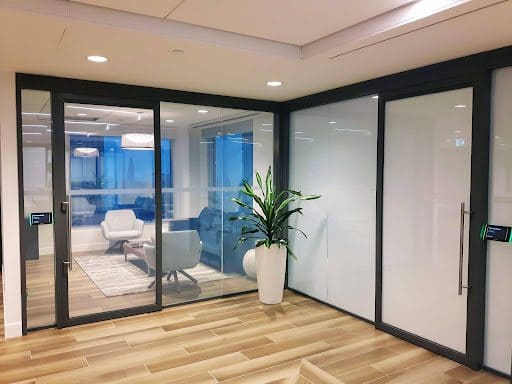
Today, many architects are specifying Smart Film and Smart Glass instead. These technologies allow glass to transform from transparent to private in seconds, providing occupants with privacy only when they need it while preserving the openness that modern architecture demands.
As manufacturers continue refining switchable glass technology, architects are no longer asking whether it works—they are asking how to specify it correctly.
This guide explains the technical considerations, design opportunities, and specification best practices every architect should understand before incorporating switchable glazing into a commercial or residential project.
Why Smart Glass Is Becoming a Standard Design Feature
Architectural trends have shifted dramatically over the past decade. Clients increasingly want buildings that are flexible, adaptable, and technology-driven rather than relying on fixed design elements.
Open workspaces are expected to become private meeting rooms at the touch of a button. Luxury homes now prioritize unobstructed views while still providing instant privacy. Healthcare facilities seek solutions that improve hygiene by eliminating fabric curtains, and hospitality projects are looking for memorable guest experiences that combine comfort with innovation.
Switchable privacy technology addresses these evolving needs with a single glazing solution.
Unlike conventional window coverings, Smart Film changes the function of the glass itself. When powered, the glass remains clear. When the power is switched off, microscopic liquid crystal particles scatter light to create a uniform frosted appearance that provides privacy while still allowing daylight to enter space.
Rather than adding another design element to conceal glass, architects can now allow the glass itself to perform multiple functions.
Smart Film Versus Smart Glass: Understanding the Difference
One of the most common questions involves choosing between Smart Film and Smart Glass. While both technologies provide the same switchable privacy effect, they are designed for different applications.
Smart Film is manufactured as a retrofit solution. It is applied directly to existing glass surfaces, making it ideal for renovations, tenant improvements, and projects where replacing glazing would significantly increase costs or construction timelines.
Typical retrofit applications include:
- Glass office partitions
- Conference rooms
- Healthcare facilities
- Storefronts
- Residential bathrooms
- Interior doors
- Executive offices
- Educational facilities
Because the existing glazing remains in place, installation is generally faster and less disruptive than replacing complete glass units.
Smart Glass, by comparison, incorporates the switchable layer during glass fabrication. It becomes a permanent component of the insulated or laminated glazing system and is commonly specified for new construction, custom curtain walls, exterior façades, and premium architectural projects where glazing is already being manufactured specifically for the building.
Selecting between the two depends less on aesthetics and more on the stage of the project, the glazing assembly, and the owner’s long-term objectives.
Design Flexibility Without Visual Clutter
Minimalist architecture continues to influence both commercial and residential design. Clients appreciate clean sightlines, uninterrupted glazing, and interiors that feel open and connected.
Traditional privacy systems often interrupt that vision.
Blinds introduce bulky hardware, require regular maintenance, and can quickly appear dated. Curtains soften interiors but collect dust and reduce the amount of natural light entering space. Frosted glass provides permanent privacy but removes the flexibility that many occupants need throughout the day.
Switchable glazing offers a different approach.
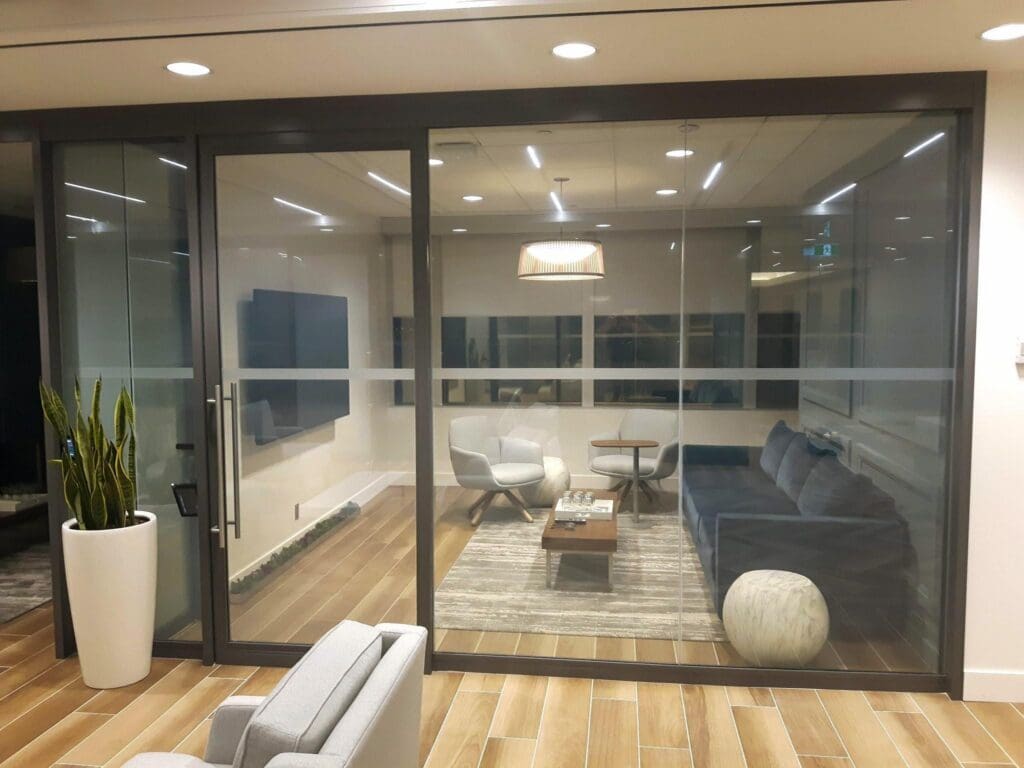
The glass remains completely transparent whenever privacy is unnecessary. During meetings, medical consultations, presentations, or personal moments, occupants can activate privacy instantly without changing the architectural character of the room.
This adaptability is one of the primary reasons architects increasingly include switchable glazing in flexible workspaces and multi-purpose environments.

Early Coordination Is the Key to Successful Specifications
Although Smart Film integrates seamlessly into finished spaces, the best results begin during the design phase.
Architects should coordinate early with glazing consultants, electrical engineers, interior designers, and manufacturers to ensure the installation supports both the building’s appearance and long-term performance.
Early planning typically includes:
- Identifying which glass panels require switchable privacy.
- Confirming electrical pathways before finishes are completed.
- Locating discreet transformer and control equipment.
- Determining user control methods, such as wall switches, remotes, occupancy sensors, or building automation systems.
- Coordinating glass dimensions and fabrication tolerances.
By considering these elements during schematic design rather than after construction begins, architects can avoid unnecessary revisions while delivering a more integrated solution.
Projects that involve manufacturers early in the design process often benefit from improved detailing, simplified installation, and fewer field modifications.

Specifying Smart Film Correctly Starts with Understanding the Building
One of the biggest misconceptions surrounding switchable privacy glass is that it is simply another decorative window film. In reality, Smart Film is an electrically activated architectural glazing system that becomes part of the building’s overall design strategy.
Every project is different. A glass conference room in a corporate headquarters has very different performance requirements than a patient treatment room in a hospital, a luxury ensuite bathroom, or a hotel boardroom. Understanding how each space will be used allows architects to specify the most appropriate solution while avoiding unnecessary costs or design compromises.
For retrofit projects, Smart Film offers a significant advantage because it can be professionally applied to existing glass without replacing the glazing system. For new construction, Smart Glass may be integrated directly into laminated or insulated glass units during fabrication, creating a seamless finished product from day one.
Rather than choosing one technology over the other, architects should evaluate which solution best aligns with the building’s construction schedule, budget, and long-term maintenance objectives.
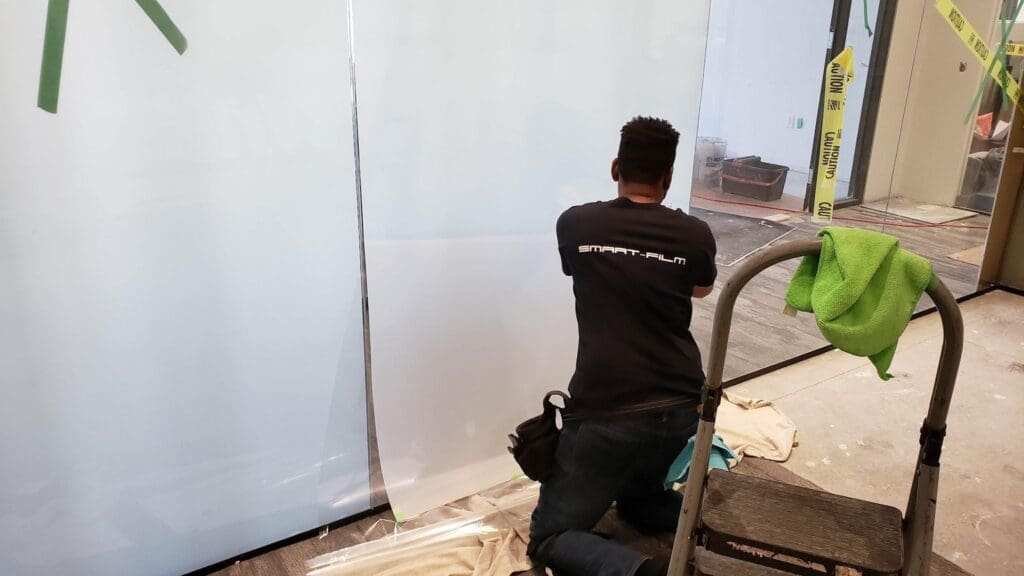
Professional installation allows existing glass partitions to be upgraded with switchable privacy without replacing the original glazing.
Integrating Smart Film into Building Electrical Systems
Because Smart Film operates using a low-voltage power supply, electrical coordination should begin early in the design process.
Fortunately, integration is often simpler than many architects initially expect.
Power is supplied through discreet copper bus bars located along the edge of the film, connected to a transformer that converts standard building voltage into the operating voltage required by the PDLC system.
Depending on the project, control options may include:
- Standard wall switches
- Wireless remote controls
- Mobile applications
- Voice assistants
- Motion sensors
- Occupancy sensors
- Building Management Systems (BMS)
- Home automation platforms
- Scheduled timers
For commercial buildings, many owners prefer integrating Smart Film into existing automation systems so conference rooms, executive offices, and presentation spaces can change privacy modes automatically throughout the day.
Architects should coordinate transformer locations with electrical consultants to ensure adequate service access while maintaining clean interior aesthetics.
Designing for Clean Details
One reason Smart Film has become increasingly popular among architects is that it eliminates the visual clutter associated with traditional privacy systems.
Instead of designing around blinds, roller shades, or curtains, designers can maintain uninterrupted glazing from floor to ceiling.
The result is:
- Cleaner interior elevations
- Improved daylight penetration
- Better visual connection between spaces
- Simplified maintenance
- Contemporary minimalist aesthetics
This approach is especially valuable in:
- Corporate headquarters
- Financial institutions
- Executive boardrooms
- Luxury condominiums
- Healthcare environments
- Higher education facilities
- Government buildings
- Hotels and resorts
As workplace design continues shifting toward flexible collaboration spaces, switchable glazing supports both openness and privacy without introducing additional architectural elements.

Understanding Safety, Quality, and Certification
Architects are increasingly being asked to verify that every specified building product complies with applicable building codes, electrical standards, and project requirements.
While appearance is important, long-term reliability and safety are often even more critical.
When evaluating Smart Film manufacturers, architects should ask several important questions:
- Has the product been independently tested?
- Are electrical components certified?
- Does the manufacturer provide documented installation procedures?
- Are transformers certified for the intended market?
- Is long-term technical support available?
- Can replacement components be obtained years after installation?
These questions become especially important for hospitals, educational facilities, airports, government buildings, and commercial developments where product reliability directly impacts building operations.
Working with an experienced manufacturer that provides engineering support, documentation, and ongoing technical assistance can significantly reduce project risk while simplifying future maintenance.
Designing for Future Flexibility
One of the strongest arguments for specifying Smart Film is its ability to adapt as buildings evolve.
Office layouts change.
Conference rooms become executive offices.
Healthcare facilities expand.
Hotels renovate guest suites.
Retail environments update branding.
Traditional etched glass or permanently frosted glazing often requires complete replacement when room functions change. Smart Film allows the same glass partition to continue serving different purposes without altering the architecture.
For building owners, this flexibility helps protect their long-term investment while reducing renovation costs over the building’s lifecycle.

Common Specification Mistakes Architects Can Avoid
Although Smart Film is straightforward to integrate, several specification errors appear repeatedly across commercial projects.
One of the most common mistakes is treating Smart Film as a decorative finish rather than an integrated electrical glazing system. Early coordination with electrical consultants and manufacturers ensures power routing, transformer locations, and controls are incorporated before construction begins.
Another common oversight is specifying switchable glazing without considering future maintenance access. Transformers and control components should remain accessible while still being concealed from everyday view.
Architects should also consider viewing conditions. Smart Film provides excellent daytime privacy, but understanding lighting conditions on both sides of the glass helps maximize performance in spaces where confidentiality is critical.
Finally, manufacturers should be consulted regarding maximum panel dimensions, custom shapes, edge clearances, wiring locations, and fabrication tolerances before final construction documents are issued.
These discussions often prevent costly revisions later in the project.
Collaboration Produces Better Buildings
The most successful Smart Film projects are rarely the result of a single specification decision.
Instead, they reflect collaboration between architects, interior designers, glazing contractors, electricians, manufacturers, and building owners.
When these disciplines work together early, projects typically benefit from:
- Cleaner detailing
- Faster installation
- Better electrical coordination
- Improved aesthetics
- Reduced construction changes
- Greater owner satisfaction
As Smart Film continues gaining acceptance across commercial architecture, early collaboration is becoming one of the defining characteristics of successful projects.
Where Architects Are Successfully Using Smart Film Today
Switchable privacy technology has evolved well beyond executive boardrooms. Architects are now incorporating Smart Film and Smart Glass into a wide variety of commercial, institutional, and residential projects where flexibility, privacy, and modern design are equally important.
Corporate Offices
Open office layouts continue to dominate workplace design, but employees still require spaces for confidential discussions, client meetings, and video conferences.
Smart Film allows glass-walled meeting rooms to remain visually open throughout the day while providing instant privacy whenever needed. Unlike blinds or curtains, it preserves the clean architectural language of contemporary office interiors and allows natural daylight to reach deeper into the workspace.

Healthcare Facilities
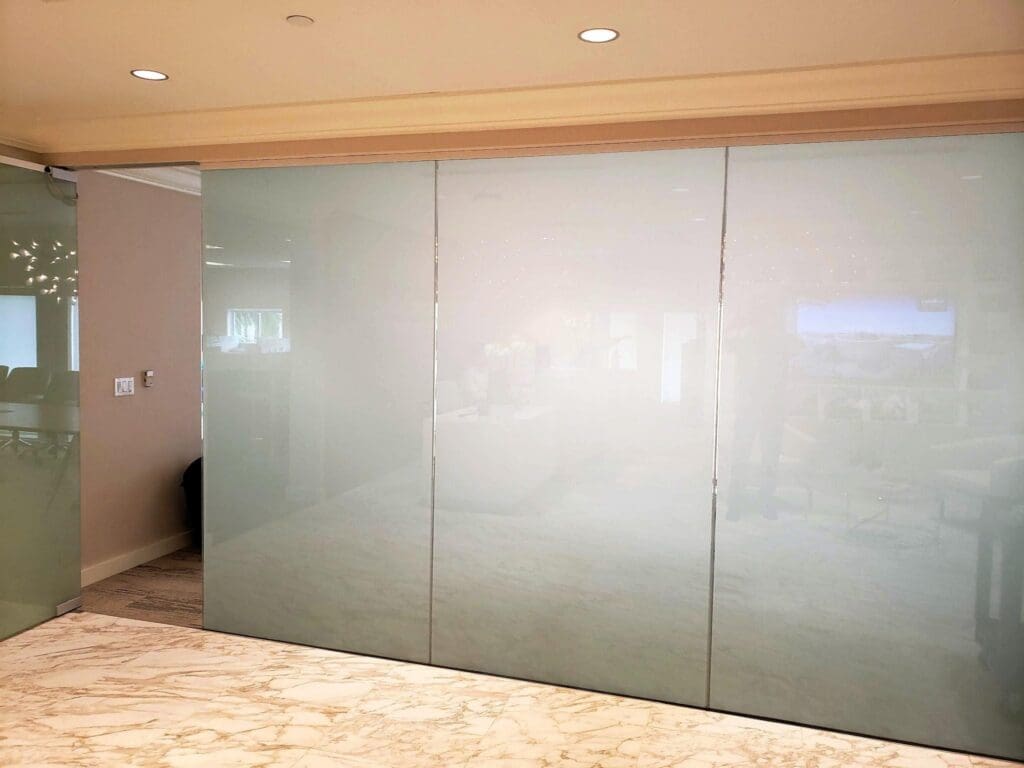
Hospitals, medical clinics, dental offices, and diagnostic centres are increasingly replacing traditional privacy curtains with switchable glazing.
Privacy curtains require regular cleaning, wear over time, and interrupt the visual continuity of treatment spaces.
Smart Film offers several advantages:
- Instant patient privacy
- Easy-to-clean glass surfaces
- Improved infection control
- Better daylight penetration
- More modern patient environments
Healthcare architects appreciate that the same glass partition can provide openness during normal operations while instantly becoming private during examinations or consultations.
Hospitality
Luxury hotels continue searching for innovative features that distinguish guest experiences.
Switchable privacy glass is frequently specified for:
- Ensuite bathrooms
- Spa treatment rooms
- Executive suites
- Hotel meeting rooms
- VIP lounges
Guests enjoy unobstructed views and spacious interiors without sacrificing privacy.
For designers, Smart Film creates a memorable architectural feature that blends technology with luxury.

Education
Universities, colleges, and schools are adopting Smart Film in classrooms, innovation labs, libraries, and administrative offices.
Its versatility supports spaces that serve multiple functions throughout the day.
Examples include:
- Lecture rooms
- STEM laboratories
- Faculty offices
- Student collaboration areas
- Boardrooms
- Research facilities
Many institutions also use the frosted surface as a rear-projection screen, adding another layer of functionality without requiring additional equipment or wall space.
Luxury Residential Design
Homeowners increasingly expect their living spaces to combine comfort with advanced technology.
Smart Film has become a popular feature in:
- Primary ensuites
- Home offices
- Wine rooms
- Pool houses
- Glass stair railings
- Interior glass partitions
- Walk-in closets
- Home gyms
Rather than permanently obscuring views with frosted glass, homeowners enjoy complete transparency until privacy is required.
This flexibility supports open-concept living while preserving the clean lines that define contemporary residential architecture.
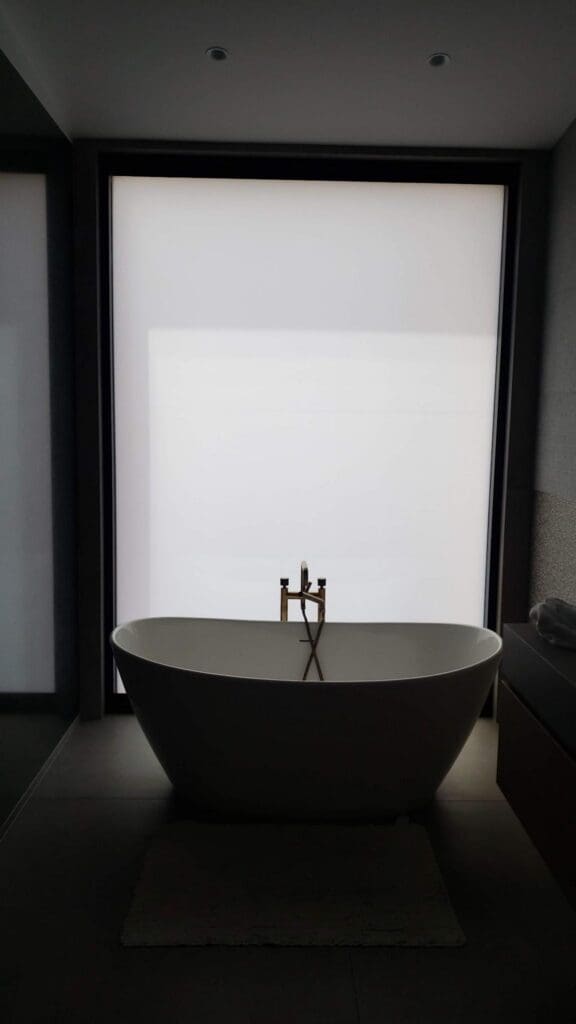
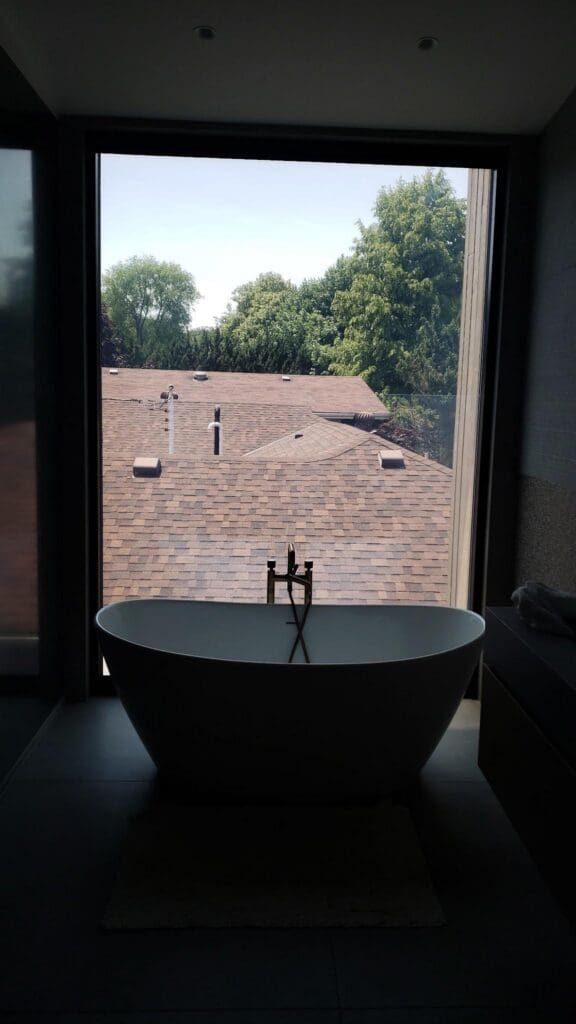
Switchable privacy glass gives homeowners instant privacy while maintaining open-concept architectural design.
Sustainability and Long-Term Value
While Smart Film is often specified for privacy, many architects also consider its contribution to long-term building performance.
By eliminating blinds and curtains, Smart Film allows natural daylight to penetrate deeper into interior spaces, reducing dependence on artificial lighting during daylight hours.
Because the glass itself performs multiple functions, building owners may also reduce maintenance associated with traditional window coverings.
For retrofit projects, Smart Film extends the life of existing glazing by adding new functionality without replacing the original glass. This approach can reduce material waste and minimize disruption during renovations.
Although every project differs, architects increasingly view Smart Film as a long-term investment in flexibility, occupant comfort, and adaptable building design rather than simply a privacy product.
What Should Architects Ask Before Choosing a Manufacturer?
Not all Smart Film products are manufactured to the same standards.
Before specifying a system, architects should evaluate several important factors.
Questions worth asking include:
- How long has the manufacturer specialized in Smart Film?
- Are products manufactured specifically for architectural applications?
- Are electrical components certified for the intended market?
- Is technical support available during design and installation?
- Can custom panel sizes and shapes be produced?
- What warranty is provided?
- Are replacement components readily available?
- Can the manufacturer assist with project specifications?
- Are installation training and documentation available?
- Can the manufacturer support projects across multiple regions?
Selecting an experienced manufacturing partner often simplifies both the design process and long-term ownership experience.
Frequently Asked Questions
Can Smart Film be installed on existing glass?
Yes. One of the primary advantages of retrofit Smart Film is that it can be professionally installed onto many existing interior glass surfaces, making it an excellent option for renovations and tenant improvements.
Does Smart Film require constant electricity?
Smart Film requires power while in its transparent state. When power is removed, the liquid crystal layer transitions to its frosted privacy mode.
Can Smart Film be used as a projection screen?
Yes. In its frosted state, Smart Film creates an excellent surface for rear projection, making it popular in conference rooms, classrooms, museums, and retail environments.
Is Smart Film suitable for exterior windows?
Some systems are designed specifically for laminated or insulated exterior glazing, while retrofit products are generally intended for interior applications. The appropriate solution depends on the project requirements and glazing system.
How long does Smart Film last?
Service life varies depending on operating conditions, installation quality, and manufacturer specifications. When professionally installed and properly maintained, high-quality architectural systems are designed for many years of reliable performance.
Can Smart Film integrate with building automation?
Yes. Many systems can be connected to building management systems, occupancy sensors, timers, voice assistants, and smart home platforms.
Does Smart Film block UV rays?
Most architectural Smart Film products provide significant UV reduction, helping protect interior furnishings while improving occupant comfort.
Is maintenance difficult?
No. Cleaning procedures are generally similar to standard architectural glass using manufacturer-approved products and soft, non-abrasive cloths.
Authoritative architectural references: UL Solutions(opens in new tab) for component certification, U.S. Department of Energy(opens in new tab) for lighting and daylighting guidance, and Whole Building Design Guide for architectural windows and glazing guidance.
The Future of Architectural Glass Is Adaptable
Architecture continues moving toward spaces that are intelligent, flexible, and responsive to changing occupant needs.
Rather than separating rooms with fixed walls or relying on traditional window coverings, architects increasingly prefer solutions that allow buildings to transform throughout the day.
Smart Film and Smart Glass support this vision by allowing a single glass surface to serve multiple purposes—open collaboration, visual transparency, instant privacy, presentation screen, or design feature—all without compromising the overall architectural aesthetic.
As technology continues advancing, switchable glazing is becoming more than a premium feature. For many commercial and residential projects, it is quickly becoming part of the standard conversation during design.
For architects, designers, and building owners seeking adaptable spaces that balance privacy, daylight, and contemporary design, Smart Film represents one of the most versatile glazing technologies available today.
Continue Exploring Smart Film
If you’re researching switchable glazing for an upcoming project, these resources provide additional technical information and design inspiration:
- Smart Film Overview – Learn how retrofit PDLC Smart Film transforms existing glass into switchable privacy glass.
- Smart Glass Solutions – Explore insulated and laminated Smart Glass options for new construction.
- Commercial Applications – Discover how Smart Film is used in offices, healthcare, hospitality, education, and retail.
- Residential Applications – See examples of Smart Film in bathrooms, home offices, wine rooms, and luxury living spaces.
- Installation Process – Understand how professionally installed Smart Film integrates with existing architectural glass.
- Frequently Asked Questions – Find answers to common questions about performance, maintenance, controls, and specifications.
By exploring these topics together, architects can make more informed specification decisions while identifying the best privacy solution for each project’s unique requirements.
About Smart Film Inc.
With more than a decade of experience serving architects, designers, glazing contractors, and commercial building owners throughout North America, Smart Film Inc. manufactures high-quality switchable privacy solutions for retrofit and new construction applications. From custom conference rooms to large-scale commercial installations, our team works closely with project stakeholders to help deliver innovative glazing solutions that combine performance, flexibility, and modern architectural design.