Smart Film
What Is Smart Film and How Does It Operate?
Smart Film is an electrically controlled PDLC privacy film that transforms existing glass from transparent to frosted at the touch of a button. Also known as switchable film, smart window film or privacy Smart Film, it can be retrofitted onto windows, glass doors and partitions without replacing the existing glass. Smart Film Inc. manufactures custom-cut Smart Film for residential, commercial, healthcare, hospitality and architectural applications throughout North America
Clear when you want openness. Frosted when you want privacy.
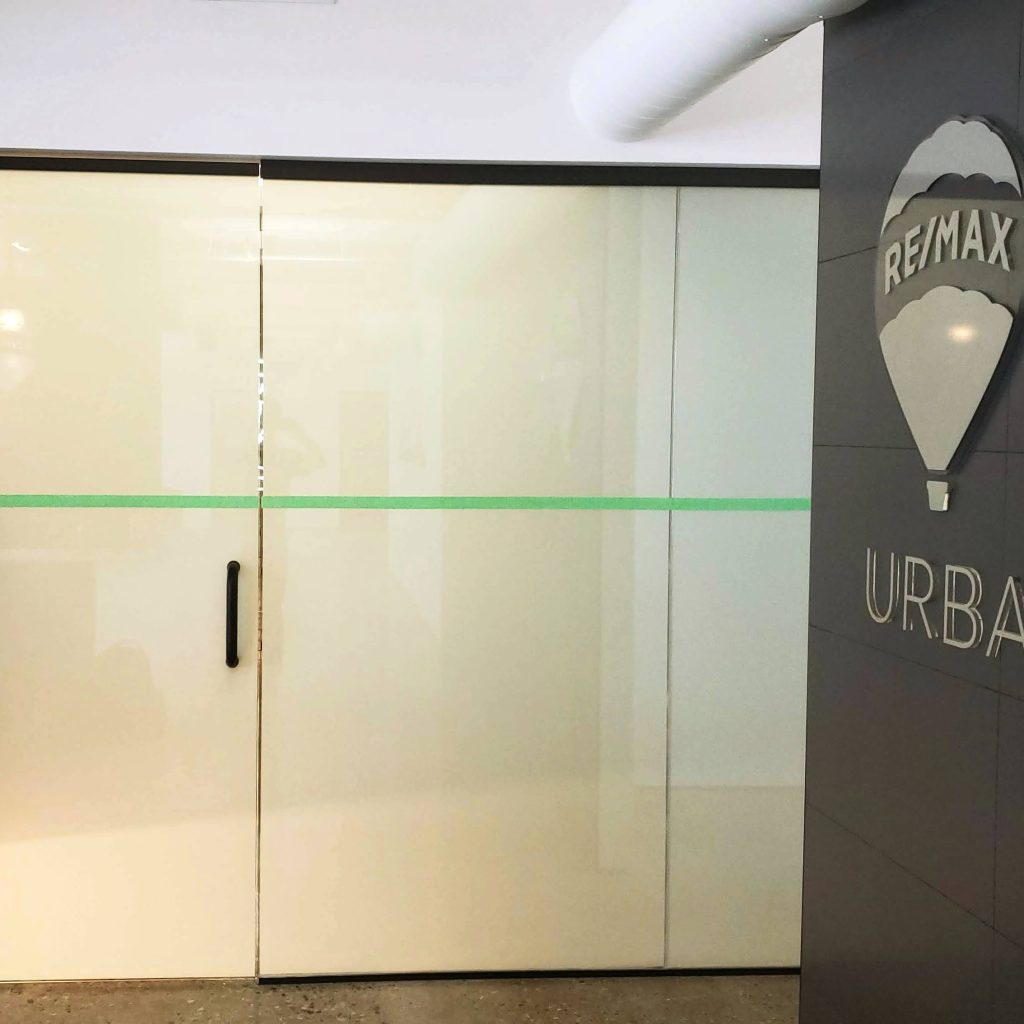
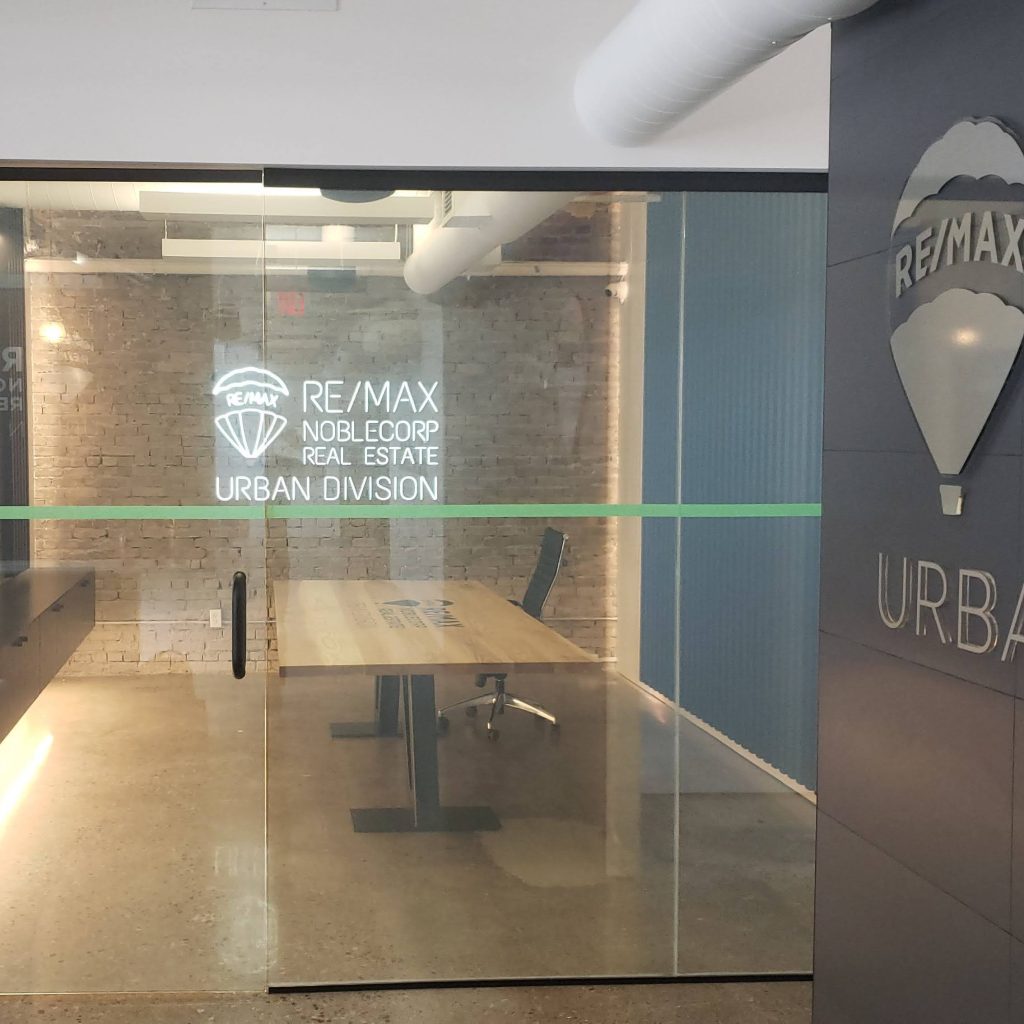
Incorporate Smart Film into interiors to maintain open-concept spaces while enabling privacy whenever necessary.
0%
UV Protection0%
Solar ReductionCustom shapes and sizes can be cut with precision CNC lasers, and multiple panels can be joined for large switchable walls or partitions.
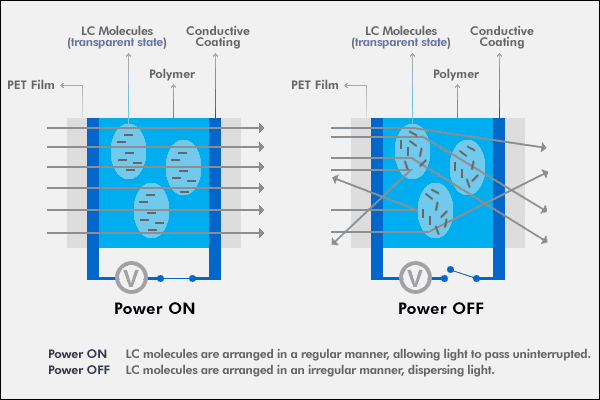
How PDLC Smart Film Functions
When no power is applied, the liquid crystals scatter light, making the film opaque for privacy.
Once power is activated, the liquid crystals align, allowing light to pass through and the Smart Film to become highly transparent almost instantly.
We can craft Smart Film in custom shapes—from curves to triangles and laser-etched logos—allowing segmented control over each panel.
Our films are available up to 2 meters (78.5") wide and any required length for your project.
🛡️Safety Benefits of Smart Film
Smart Film's durable 0.4 mm PET-based construction adds a bonded protective layer to existing glass. Smart Film Inc.'s internal documentation indicates that it can perform similarly to safety window film by helping hold broken glass fragments together and reducing scattering if the glass breaks.
- 🛡️ Helps retain broken glass fragments
- 💪 Durable 0.4 mm PET-based construction
- 🪟 Adds protection to existing glass
- ⚡ UL Recognized Smart Film
Smart Film provides glass-retention benefits but should not replace code-required tempered, laminated or certified safety glazing where specifically required.
☀️ Solar & Heat Reduction Benefits
Solar-Reflective Smart Film can block up to 78% of infrared radiation, helping reduce solar heat gain and maintain more comfortable interior temperatures. By limiting the amount of solar heat entering through the glass, it can also help reduce cooling demand and improve energy efficiency in residential and commercial spaces.
- ☀️ Blocks up to 78% of infrared radiation
- 🌡️ Helps reduce solar heat gain
- ❄️ Supports more comfortable interior temperatures
- ⚡ May help reduce cooling demand
Performance may vary by glass type, window orientation, climate and sun exposure. The 78% infrared-reduction figure is based on Smart Film Inc. product testing and technical documentation.
Adhesive Smart Film Solutions
Our range of films can be professionally retrofitted onto existing glass worldwide, offered as custom-cut sheets or rolls for certified installers. Explore the complete adhesive Smart Film collection.
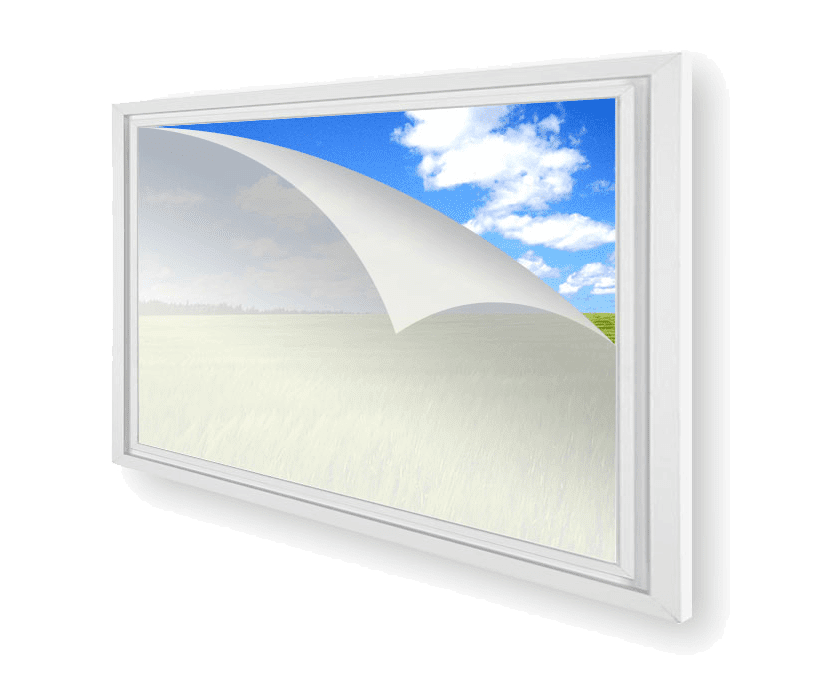
White Residential-Grade Smart Film
Provides a clean, elegant look, enabling privacy when needed and an open feel when desired.

Projection-Ready Smart Film
Supports HD projection, transforming glass into a switchable projection surface when privacy mode is activated.
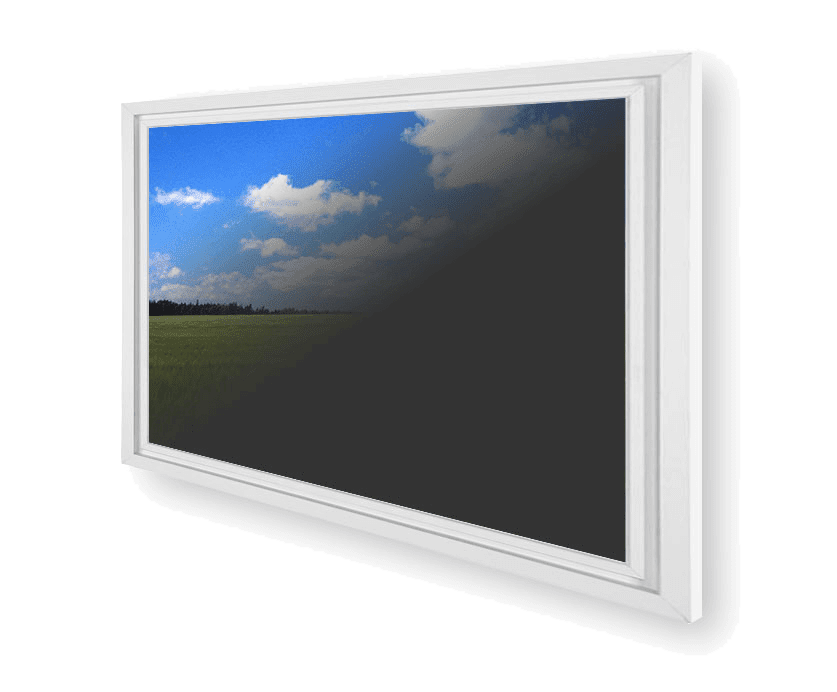
DARK GREY & BLACK SMART FILM
Ideal for advanced interior or architectural designs across industries, including automotive and aerospace.
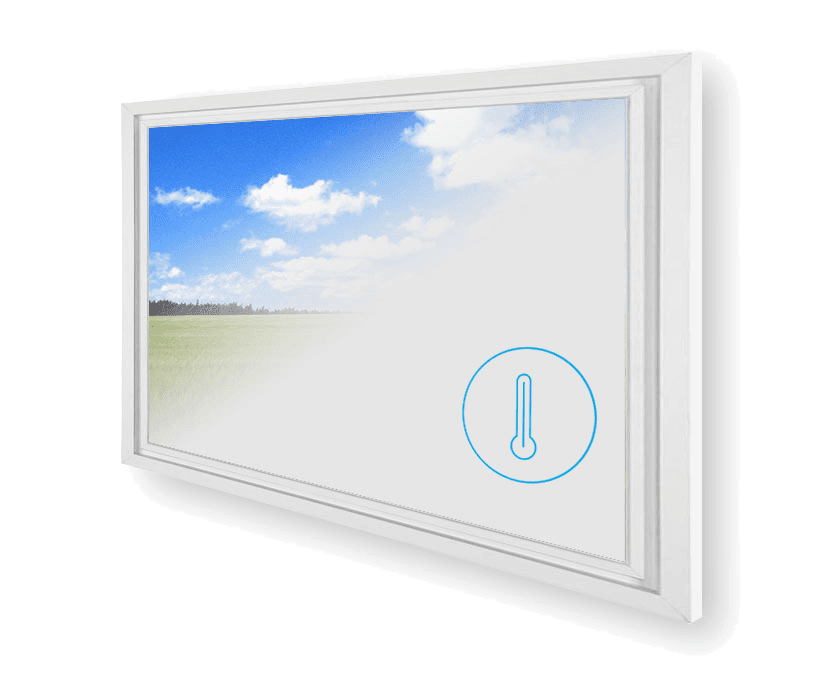
High-Temperature Commercial Smart Film
Maintains full optical and mechanical performance in extreme conditions from -30°C to +90°C.
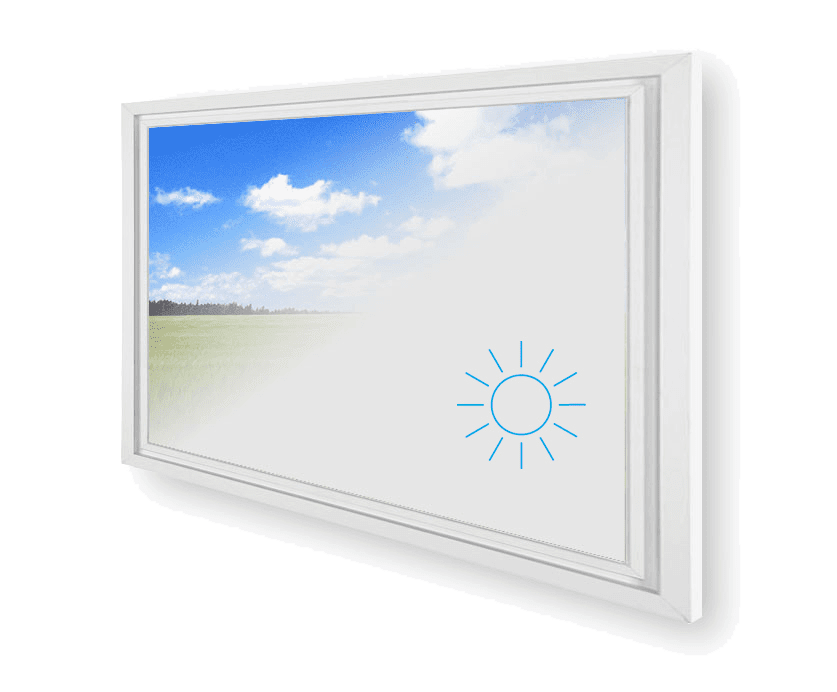
Solar-Reflective Smart Film
Blocks up to 78% of infrared radiation to help reduce solar heat gain and improve interior comfort.
Applications
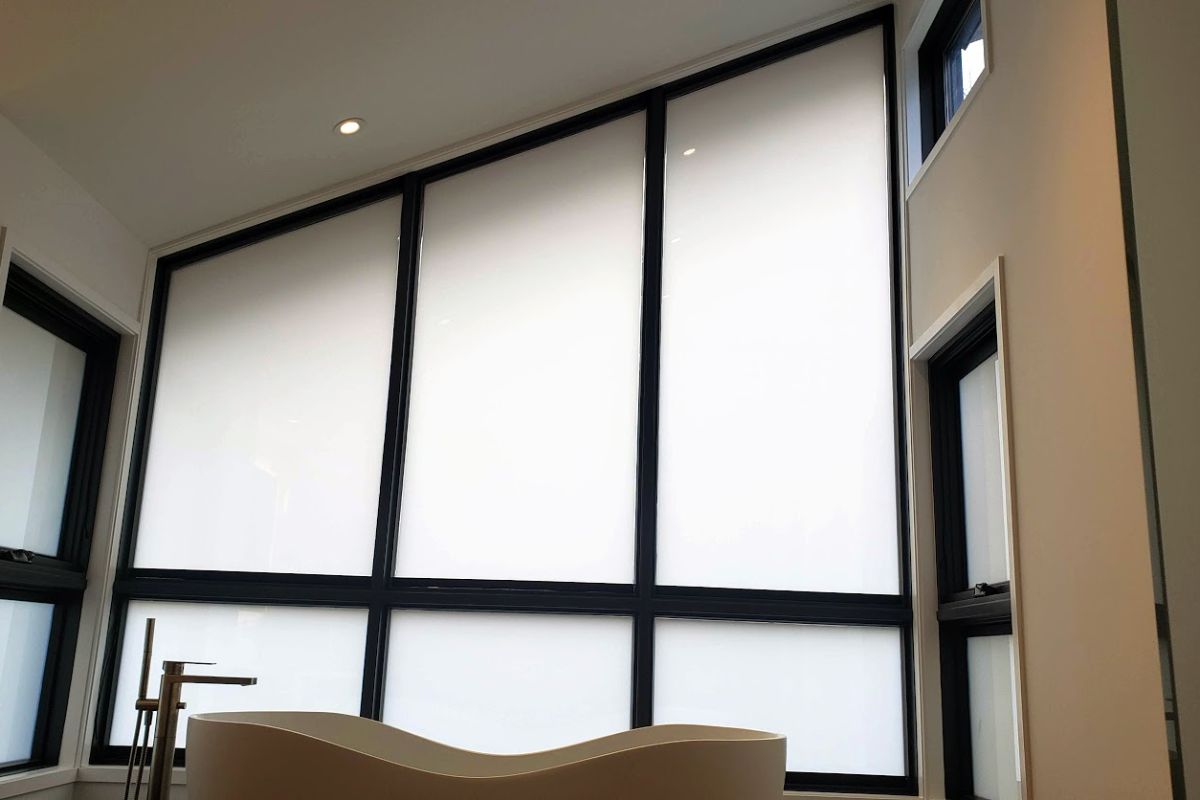
Residential
Take full control of daylight in living areas. Enjoy privacy without sacrificing natural light.
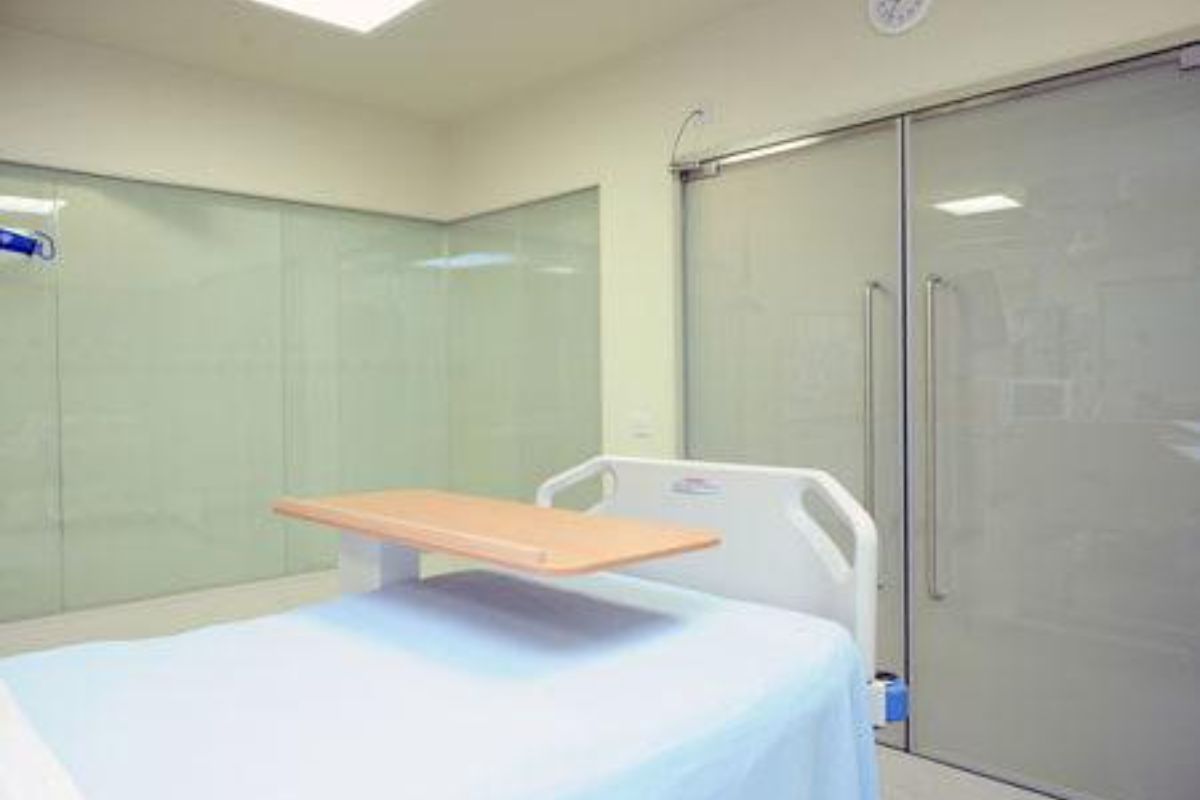
Healthcare
Create hygienic, easy-to-clean privacy partitions without curtains or blinds while allowing healthcare staff to switch between visibility and patient privacy when required.
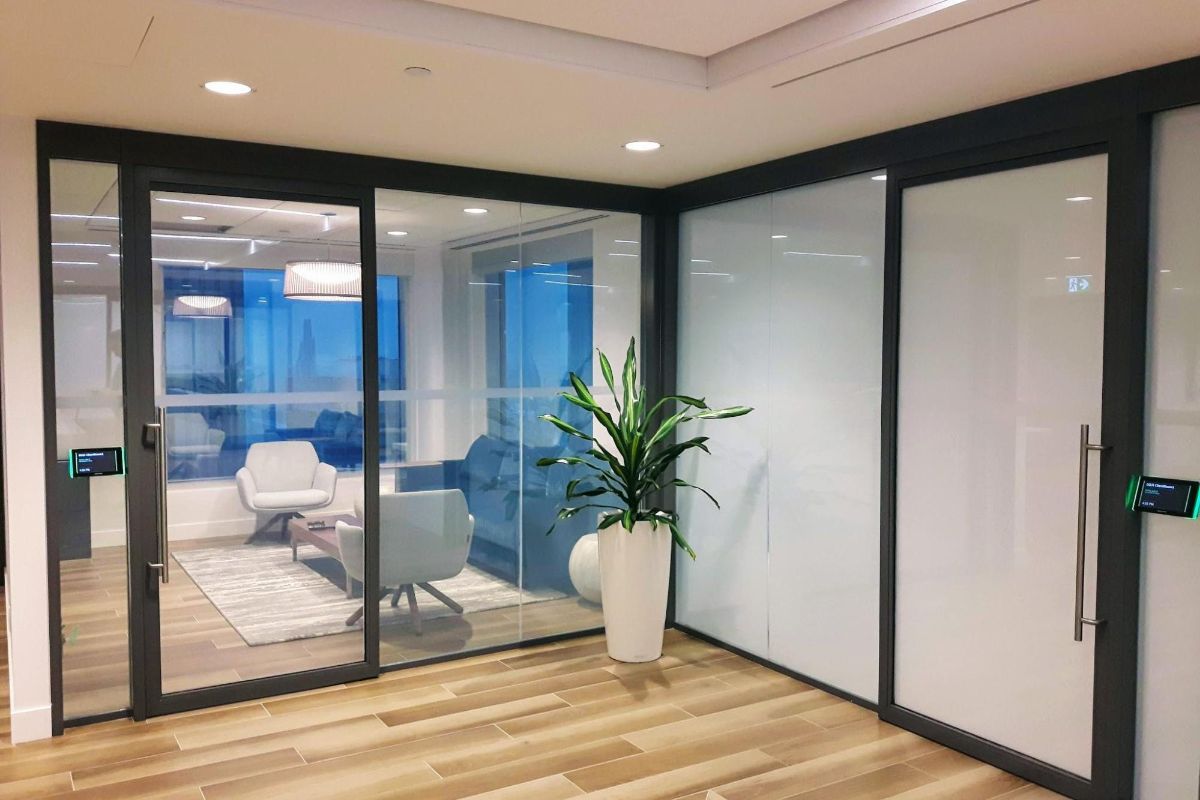
Commercial
Create flexible glass offices, meeting rooms and partitions that switch between open visibility and instant privacy.
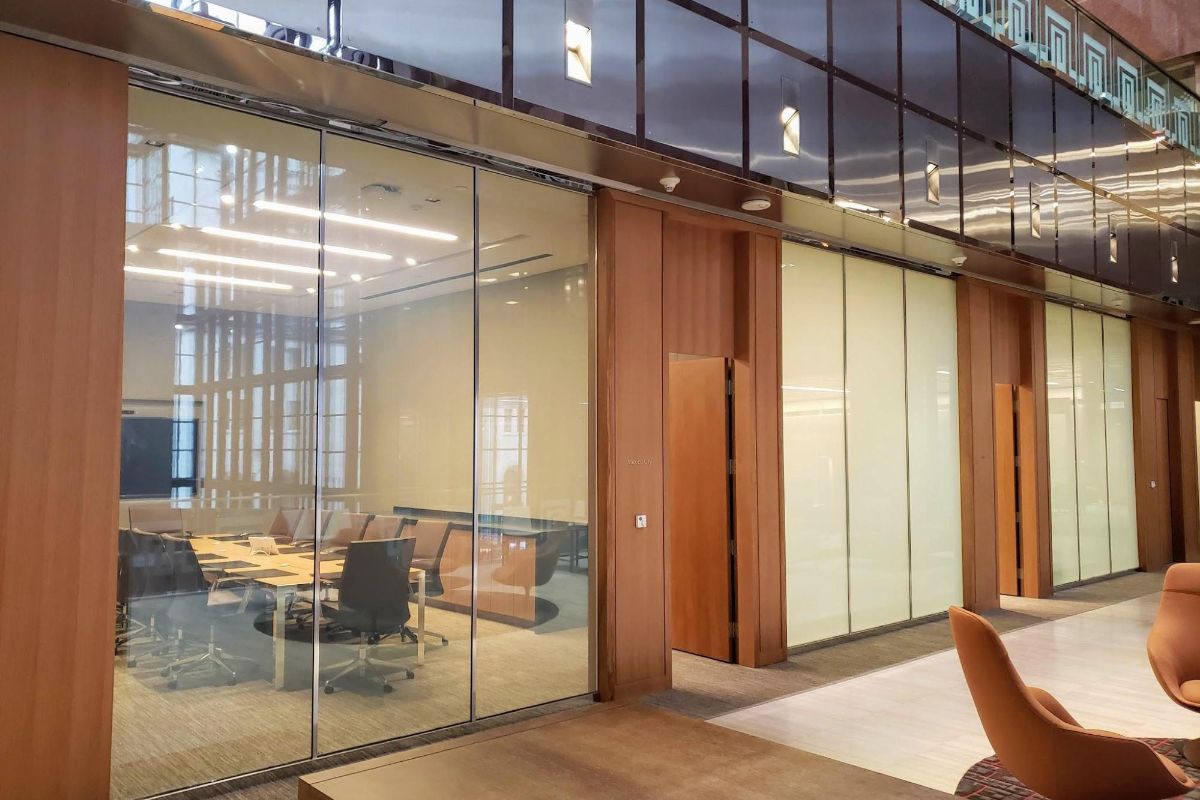
Office Buildings
Create spaces optimized for work and collaboration with natural light and optional privacy
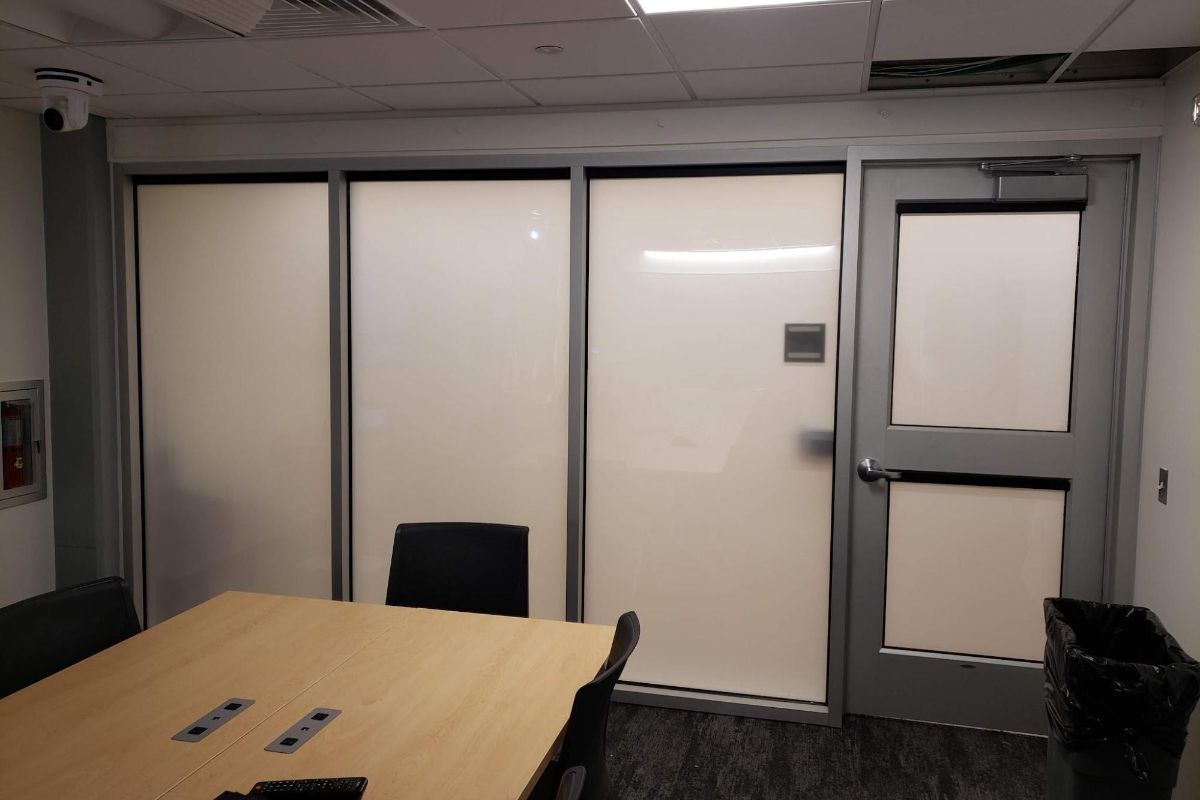
Education
Add switchable privacy to classrooms, administrative offices, counselling rooms and glass learning spaces without permanent blinds or curtains.
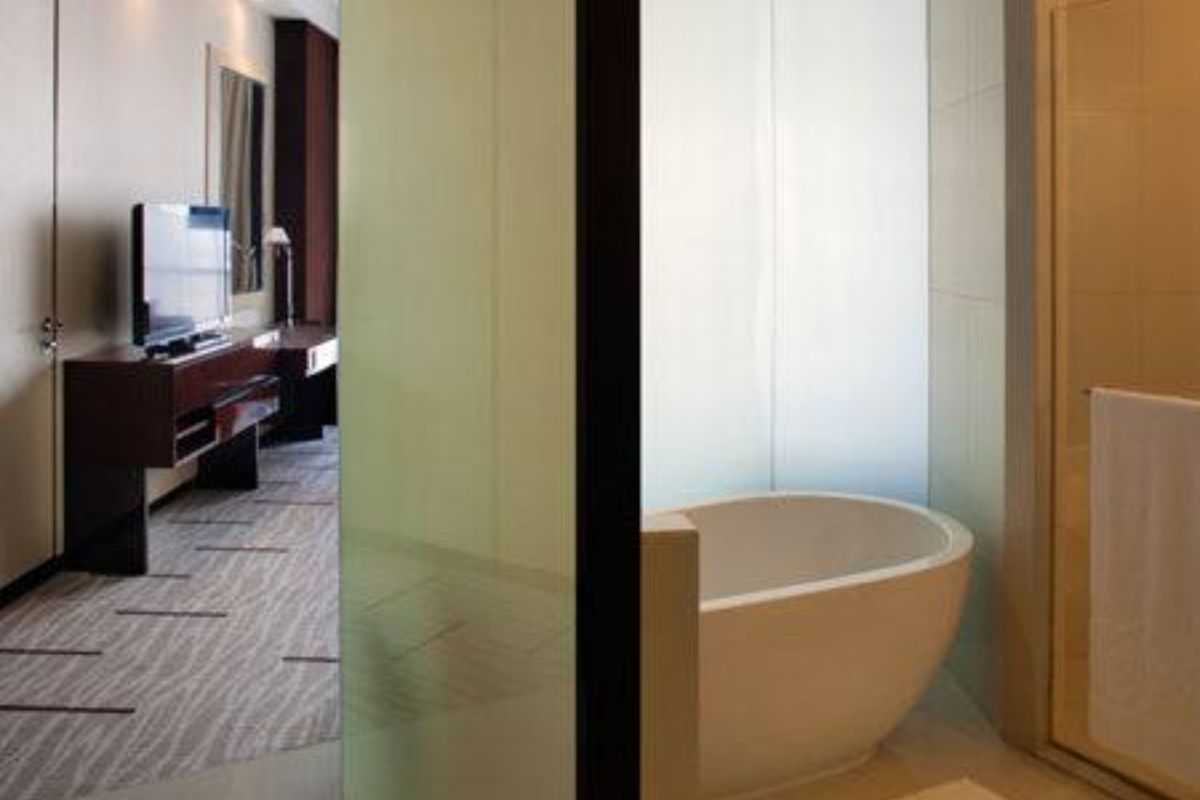
Hospitality
Provide instant privacy for hotel suites, bathrooms, spas and glass partitions while maintaining a clean architectural appearance
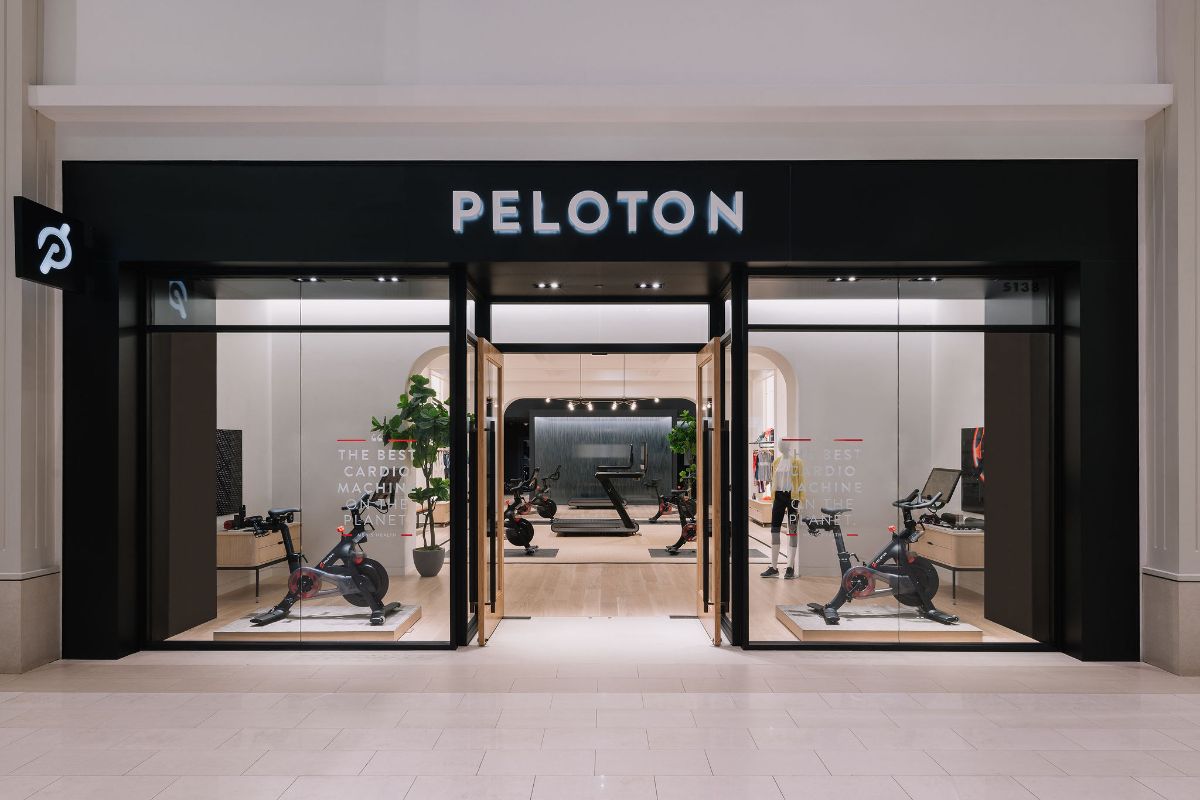
Retail
Turn storefront glass into switchable privacy or projection surfaces for displays, promotions and after-hours visual screening.
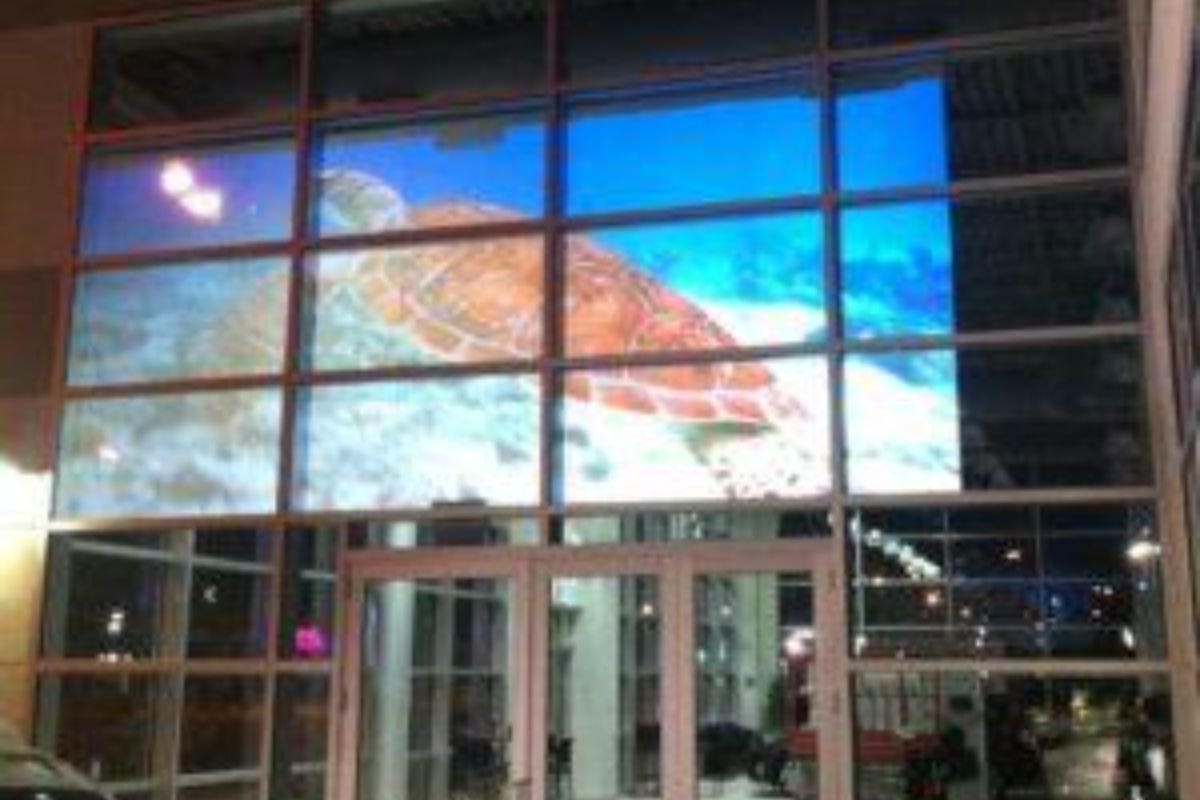
Video Marketing
Transform Smart Film into full 4K ultra-projection surfaces for advertising and presentations.
Smart Film vs Smart Glass: Which Is Right for Your Project?
Smart Film and Smart Glass both provide switchable privacy, allowing glass to change from transparent to frosted on demand. The main difference is how they are installed and where they are best used.
Smart Film is usually the better choice for existing glass. It can be applied directly to compatible windows, doors and glass partitions, making it a practical option for renovations, offices, homes, healthcare facilities and other retrofit projects. Because the existing glass often remains in place, installation is typically faster and less disruptive than replacing the entire glazing system.
Smart Glass is generally better suited to new construction, replacement windows and custom architectural glazing. The PDLC technology is integrated into the glass assembly during manufacturing, creating a finished switchable glass unit that can be specified as part of a new window, door or partition system.
Both options can be custom fabricated and integrated with switches, remote controls, apps and building automation systems.
| Feature | 🎛️ Smart Film | 🪟 Smart Glass |
|---|---|---|
| 🎯 Best suited for | Existing glass & renovations | New construction & replacement glazing |
| 🛠️ Installation | Applied to compatible existing glass | Installed as a new glass unit |
| 🔒 Privacy | Clear ↔ Frosted | Clear ↔ Frosted |
| 💰 Initial cost | ✅ Generally lower | 💲 Generally higher |
| 📐 Custom fabrication | ✅ Yes | ✅ Yes |
| 📱 Smart controls | ✅ Switch, remote, app & automation | ✅ Switch, remote, app & automation |
| 🏠 Renovation projects | ⭐ Excellent | ✓ Possible |
| 🏗️ New construction | ✅ Very good | ⭐ Excellent |
| 🔧 Installation disruption | ✅ Lower | ⚠️ Higher |
| 🪟 Existing glass retained | ✅ Yes | ❌ Usually replaced |
| ⚡ Powered privacy | ✅ Yes | ✅ Yes |
| 🏢 Typical applications | Existing windows, doors & partitions | Windows, doors, partitions & IGUs |
Which Option Should You Choose?
If the existing glass is in good condition and the main objective is to add switchable privacy without replacing the window, Smart Film is typically the most practical and cost-effective solution.
If the project involves new construction, replacement glazing or a completely integrated glass system, Smart Glass may be the better choice.
Both technologies can provide a clean architectural alternative to blinds, curtains and other traditional privacy coverings.
Smart Film Specifications
Residential vs. Commercial PDLC Smart Film
| Specification | State | 🏠 Residential | 🏢 Commercial |
|---|---|---|---|
| 🔬 Optical Performance | |||
| Visible Light Transmittance | ON | 87% ±2% | 91% ±2% |
| OFF | 52% | 46% | |
| Parallel Light Transmission | ON | 84% | 86% |
| OFF | 3% | 3% | |
| Haze | ON | <2.5% | <2% |
| OFF | 95% | 95% | |
| Viewing Angle | ON | 160° | 170° |
| UV Blocking | ON/OFF | Up to 99% | Up to 99% |
| IR Blocking* | — | Up to 78% | Up to 78% |
| LCD Crystal Origin | — | Japan | Japan |
| ⚡ Electrical & Performance | |||
| Operating Voltage | — | 40–60V AC | 40–60V AC |
| Electrical Class | — | UL/CSA Class 2 | UL/CSA Class 2 |
| Power Consumption | ON | 3–5 W/m² | 2–4 W/m² |
| Operating Temperature | — | -30°C to 95°C | -30°C to 95°C |
| Sound Control | — | 38 dB | 39 dB |
| Expected Service Life** | — | 10–15 Years | 10–15 Years |
| Switching Life | — | 3 Million Switches | 3 Million Switches |
| 📐 Construction & Dimensions | |||
| ITO Conductive Layer | — | 21 μm | 21 μm |
| Maximum Width | Adhesive | 1.5 m / 60" | 1.8 m / 71.75" |
| Non-Adhesive | 1.5 m / 60" | 2.0 m / 78.5" | |
| Thickness | Adhesive | — | 0.5 mm / .021" |
| Non-Adhesive | — | 0.4 mm / .016" | |
| Surface Hardness | — | >2H | >3H |
*IR performance is based on Smart Film Inc. product testing and may vary by product, glass type and test conditions.
**Expected service life is based on Smart Film Inc. internal product documentation and depends on installation, operating conditions and maintenance.
Why Customers Choose Smart Film Inc
Smart Film FAQs: Cost, Installation, Privacy & Performance
Smart Film is an electrically controlled PDLC (Polymer Dispersed Liquid Crystal) film that transforms glass from transparent to frosted for instant privacy. Also known as smart window film, switchable film or switchable privacy film, it can be applied to compatible existing glass without replacing the window. Smart Film is commonly used for windows, glass doors, office partitions, bathrooms, healthcare facilities and other residential and commercial applications.
Smart Film uses PDLC (Polymer Dispersed Liquid Crystal) technology.
● When powered ON → liquid crystals align → glass becomes clear
● When powered OFF → crystals scatter → glass becomes frosted
✔ Instant switching
✔ Silent operation
✔ Low energy consumption
Smart Film offers both functional and luxury advantages:
● Instant privacy on demand
● Eliminates the need for blinds or curtains
● Enhances modern interior design
● Blocks UV rays (up to 99%)
● Reduces glare and heat
● Works with smart home systems
● Creates a clean, modern architectural appearance
Yes — this is one of the biggest advantages.
Smart Film is a retrofit solution that can be installed on:
● Office glass partitions
● Residential windows
● Storefronts
● Boardrooms
● Sliding doors
No need to replace your existing glass.
Smart Film can be installed by trained professionals, authorized dealers or qualified installers. Pre-cut and pre-wired systems can simplify installation considerably, although correct glass preparation, electrical connections and edge protection remain important for long-term performance.
Smart Film operates on low voltage electrical power and can be controlled via:
● Wall switch
● Remote control
● Mobile app
● Voice control (smart home integration)
● Automation systems
Certain Smart Film systems can also be integrated with specialized solar-powered control solutions, reducing the need for conventional building power connections in suitable applications.
Yes. Smart Film is designed to be a safe, low-voltage privacy solution for residential and commercial applications.
Smart Film Inc.’s PDLC Smart Film is UL Recognized, providing independent verification that the film meets applicable safety requirements. The electrical components used with our Smart Film systems, including transformers and power supplies, are UL Listed and/or CSA approved, depending on the component and application.
✔ Safe for homes, offices, and commercial environments
High-quality PDLC Smart Film is designed for long-term daily operation and repeated switching between clear and private states. Smart Film Inc.’s internal product documentation and performance data support an expected service life of approximately 10–15 years under normal operating conditions.
Actual lifespan can vary depending on product quality, installation, operating environment, electrical controls, UV and heat exposure, frequency of use, and maintenance.
● Expected lifespan: approximately 10–15 years
● Designed for long-term daily switching
● Proper installation and compatible electrical components can help maximize service life
Yes — it’s highly customizable:
● Cut to any shape or size
● Can be integrated into custom designs
● Works with branding, logos, and projection
Ideal for both functional and creative applications.
| Feature | Smart Film | Smart Glass |
|---|---|---|
| Installation | Applied to existing glass | Built into glass |
| Cost | Lower | Higher |
| Flexibility | Retrofit | New builds |
| Lead Time | Faster | Longer |
👉 Smart Film is the most popular option for renovations and upgrades.
Yes — when in frosted mode, Smart Film acts as a high-quality rear projection screen.
Perfect for:
● Boardrooms
● Retail displays
● Home theaters
Yes.
● Blocks up to 99% of harmful UV rays
● Helps protect furniture, flooring, and interiors from fading
Smart Film is widely used across industries:
● Residential homes
● Corporate offices
● Healthcare facilities
● Hotels and hospitality
● Retail and storefronts
● Automotive and marine
Pricing depends on:
● Size of glass area
● Project complexity
● Type of control system
● Installation requirements
Smart Film is significantly more cost-effective than replacing glass with Smart Glass.
Contact us for a custom quote.
Yes — Smart Film integrates seamlessly with:
● Voice assistants
● Home automation systems
● Mobile apps
✔ Full control at your fingertips
Very little:
● Clean like standard glass
● No special chemicals required
● No moving parts = low failure risk
Choosing properly certified Smart Film products provides greater confidence in electrical safety, product quality and regulatory compliance. Smart Film Inc.'s PDLC Smart Film is UL Recognized, while applicable transformers and electrical components are UL Listed and/or CSA approved. Using independently evaluated products can help support electrical inspections, code requirements and project approvals while reducing the risks associated with uncertified Smart Film systems.
Yes. Smart Film is a type of PDLC (Polymer Dispersed Liquid Crystal) film that uses electricity to change glass from transparent to frosted. When powered, the liquid crystals align and the glass appears clear. When power is removed, the crystals scatter light and create privacy. PDLC Smart Film is also commonly called switchable film, smart window film, switchable privacy film, or electric privacy film.
Yes. Smart Film can be installed on compatible tempered glass and is commonly used on tempered glass doors, office partitions, conference rooms, bathroom glass and other architectural glazing. Because Smart Film is applied to the surface of the glass, the existing tempered panel generally does not need to be replaced. The glass should be clean, smooth, undamaged and suitable for the installation.
Yes. Smart Film can be installed on many double-pane and insulated glass windows (IGUs), provided the glass and glazing system are suitable for the application. Smart Film is typically applied to an accessible glass surface rather than installed inside an existing sealed glass unit. For exterior windows, glass type, coatings, solar exposure and thermal conditions should be reviewed before installation to ensure the correct Smart Film product is selected.
Yes. Unlike reflective or one-way privacy window films that can lose their privacy effect when interior lighting is brighter than outside, PDLC Smart Film provides switchable privacy during both the day and at night. When switched to its frosted state, the film scatters light to obscure direct visibility through the glass. Silhouettes or shadows may still be visible at close distances or under strong lighting, so Smart Film should not be considered a complete blackout product.
Smart Film provides controllable privacy, while traditional privacy window film usually provides a permanent effect. PDLC Smart Film can switch between transparent and frosted on demand using electrical power, allowing the same glass to remain open and clear when privacy is not required. Traditional frosted, decorative or reflective privacy films generally remain permanently frosted, tinted or reflective. Smart Film is ideal for spaces where users want both clear glass and instant privacy from the same window or partition.