How to Make Glass Private Without Curtains or Blinds (2026 Guide)
Introduction: Privacy Without Compromise
Glass is everywhere in modern design—homes, offices, bathrooms, storefronts. It creates openness, allows natural light to flood spaces, and gives that clean, high-end aesthetic everyone wants.
But here’s the problem:
Glass doesn’t come with privacy.
For decades, the go-to fix was simple—curtains or blinds. But in 2026, that solution feels outdated, bulky, and honestly… a little frustrating.
People today want:
- Clean lines
- Smart technology
- Natural light
- On-demand control
So the real question becomes:
👉 How do you make glass private without ruining the look of your space?
Let’s break down every modern solution—and which one actually works best.
Why Curtains and Blinds Are Becoming Obsolete
Before we dive into better options, let’s quickly address why traditional coverings are being replaced.
The Downsides of Curtains & Blinds
- Block natural light completely
- Collect dust, allergens, and bacteria
- Require constant adjustment
- Wear out or break over time
- Clash with modern minimalist design
In short: they solve privacy—but create new problems.
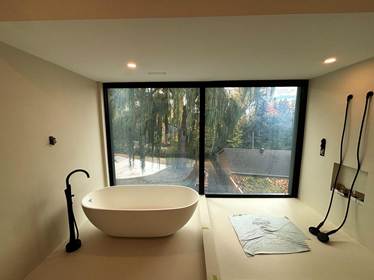
Modern Privacy Solutions (Ranked)
1. Smart Film (Switchable Privacy Film)
This is the #1 solution in 2026—and it’s not even close.
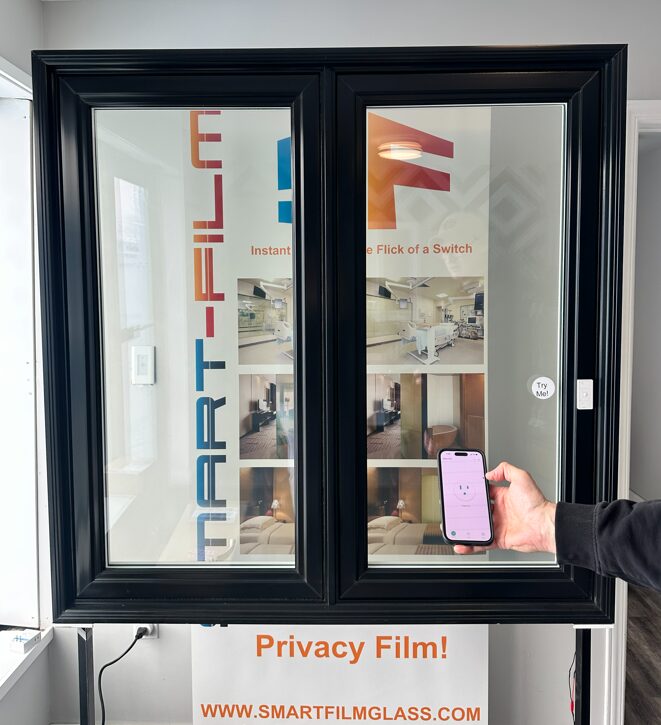
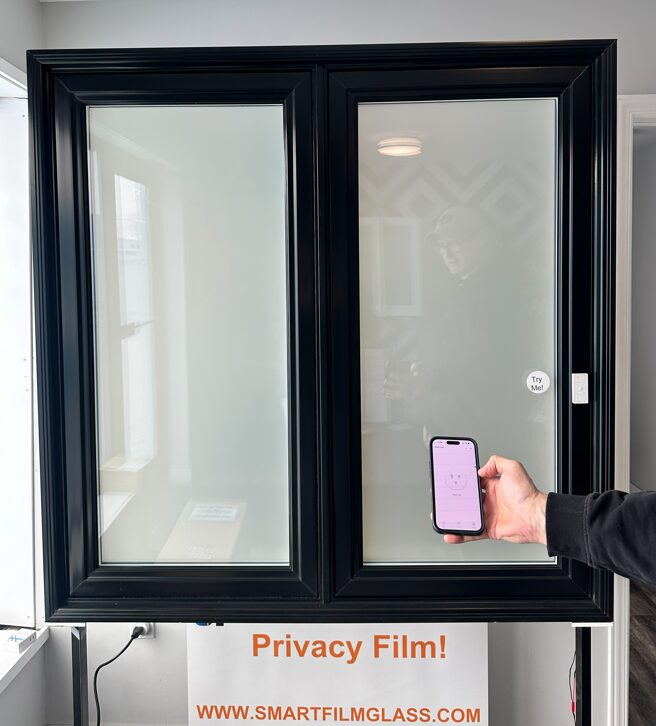
Smart Film is an advanced technology applied directly to glass that allows it to switch from clear to frosted instantly.
How It Works
- Powered by electricity
- Controlled via switch, remote, app, or voice
- Uses liquid crystal technology
Why It’s the Best Option
- Instant privacy on demand
- Maintains natural light
- No permanent obstruction
- Works on existing glass
- High-end, futuristic aesthetic
Best Applications
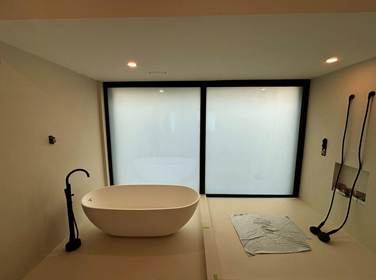
- Bathrooms
- Front-facing windows
- Office partitions
- Patio doors
2. Frosted or Etched Glass
A classic, permanent solution.
Pros
- Clean and modern appearance
- No electronics required
- Long-lasting
Cons
- Always private (no flexibility)
- Blocks visibility permanently
- Requires replacing glass
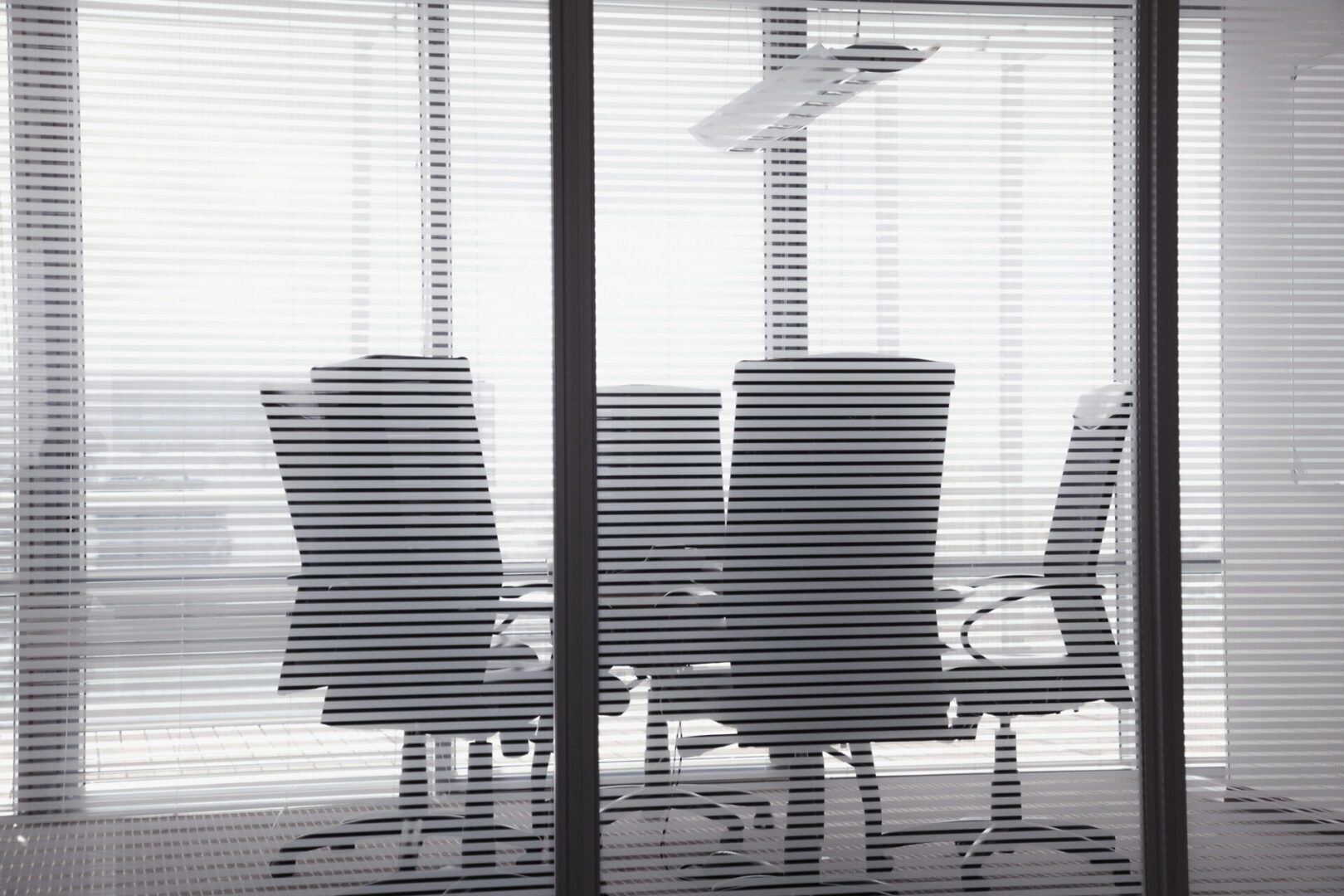
3. Static or Adhesive Privacy Film
The budget-friendly DIY option.
Pros
- Affordable
- Easy to install
- Available in patterns
Cons
- Can bubble or peel
- Often looks low-end
- No adjustability
4. One-Way Mirror Film
Reflective film that works only in certain conditions.
Important Limitation
At night, it reverses—people can see inside.
Best For
- Daytime privacy
- Commercial storefronts
5. Smart Glass (Built-In Solution)
Similar to Smart Film, but manufactured into the glass.
Pros
- Premium finish
- Durable
Cons
- Expensive
- Requires full replacement
Comparison Breakdown
| Solution | Privacy Control | Natural Light | Flexibility | Cost |
| Smart Film | Instant | High | Excellent | $$ |
| Frosted Glass | Permanent | Medium | None | $$$ |
| Privacy Film | Permanent | Medium | Low | $ |
| One-Way Film | Limited | High | Low | $ |
| Smart Glass | Instant | High | Excellent | $$$$ |
Where These Solutions Work Best
Residential
- Bathrooms
- Entryways
- Bedrooms
- Shower glass
Commercial
- Offices
- Boardrooms
- Retail spaces
Healthcare
- Patient rooms
- Clinics
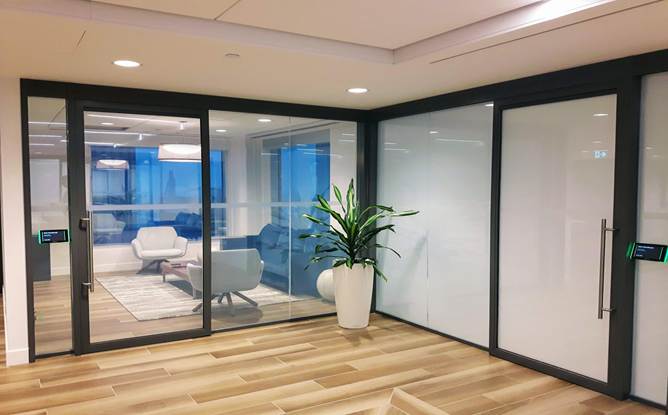
Why Smart Film Is Dominating in 2026
Modern spaces are no longer static. People want flexibility.
Smart Film delivers:
- Privacy when needed
- Transparency when desired
- A premium, tech-forward experience
It’s not just a solution—it’s an upgrade.
Installation: Simpler Than You Think
Smart Film:
- Applies to existing glass
- Installed in hours
- Connects to standard power
No major renovation required.
Cost vs Value
While Smart Film costs more upfront than basic film, it replaces:
- Curtains
- Blinds
- Frosted glass
- Multiple privacy solutions
That’s why it’s considered a long-term investment, not an expense.
Final Verdict
If you want:
- Privacy
- Light
- Style
- Control
Then Smart Film is the best way to make glass private without curtains or blinds in 2026.