
Smart Film Vs smart glass: whats the difference
Modern architecture is embracing a technology that once seemed futuristic—glass that changes from transparent to private instantly. Known as Smart Film and Smart Glass, these innovative solutions are transforming homes, offices, hospitals, and luxury buildings around the world.
But despite the similar names, Smart Film and Smart Glass are not the same product.
Both use advanced PDLC (Polymer Dispersed Liquid Crystal) technology, which allows glass to switch between clear and frosted states with electricity. However, the installation method, cost, and flexibility are very different.
If you’re considering privacy glass for your home, office, or commercial project, understanding the differences between Smart Film and Smart Glass will help you make the best decision.
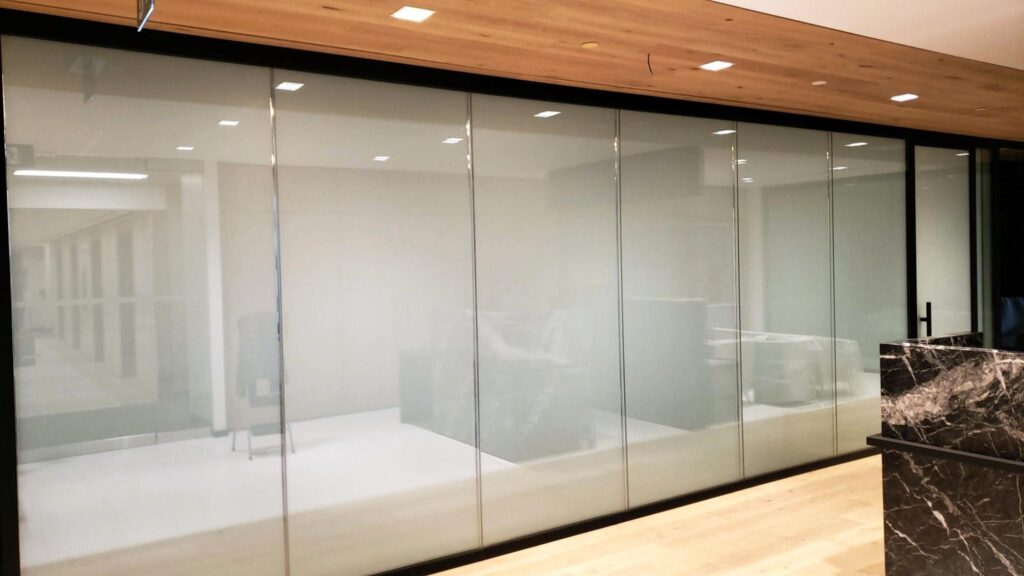
Smart privacy glass technology allows windows to instantly switch between transparent and opaque.
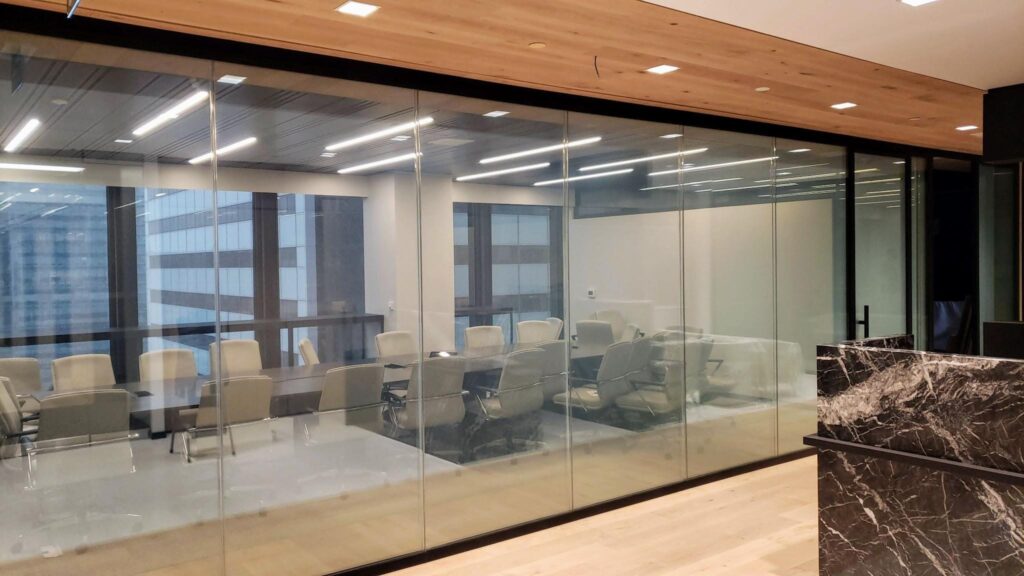
Smart privacy glass technology allows windows to instantly switch between transparent and opaque.
Quick Answer: Smart Film vs Smart Glass
For readers looking for a quick comparison:
Smart Film
- Applied to existing glass
- Ideal for renovations and retrofits
- Lower installation cost
- Faster installation
Smart Glass
- Manufactured as a complete glass unit
- Installed during new construction
- Higher cost due to glass replacement
- Integrated architectural solution
In simple terms:
Smart Film upgrades glass.
Smart Glass replaces glass.
What is Smart Film?
Smart Film is a switchable privacy film that is applied directly to the surface of existing glass. Once installed, it turns ordinary glass into electronic privacy glass that can switch from transparent to frosted instantly.
The film contains microscopic liquid crystal particles suspended within the material. When electricity flows through the film, the crystals align, allowing light to pass through and making the glass clear. When power is turned off, the crystals scatter light, creating a frosted appearance.
This ability to control transparency instantly makes Smart Film one of the most innovative privacy solutions available today.
Advantages of Smart Film
Smart Film has become increasingly popular because of its versatility.
Key benefits include:
- Installs on existing windows and glass walls
- Lower cost than replacing glass
- Fast installation with minimal disruption
- Works with smart home systems and automation
- Provides UV protection and glare reduction
Because Smart Film can be installed without removing existing windows, it is often the best solution for renovations and office upgrades.
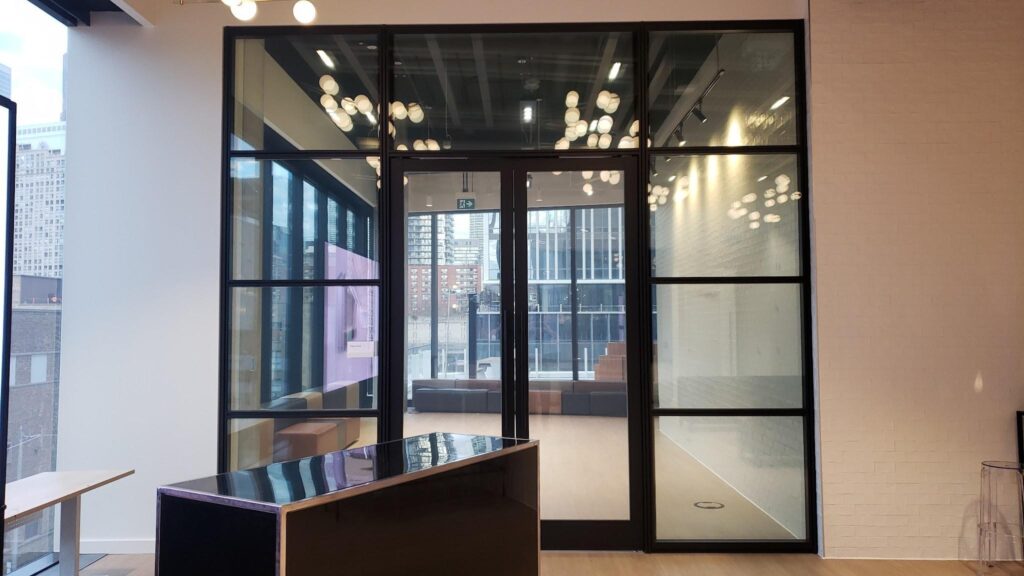
Smart Film can transform existing glass partitions into privacy glass.
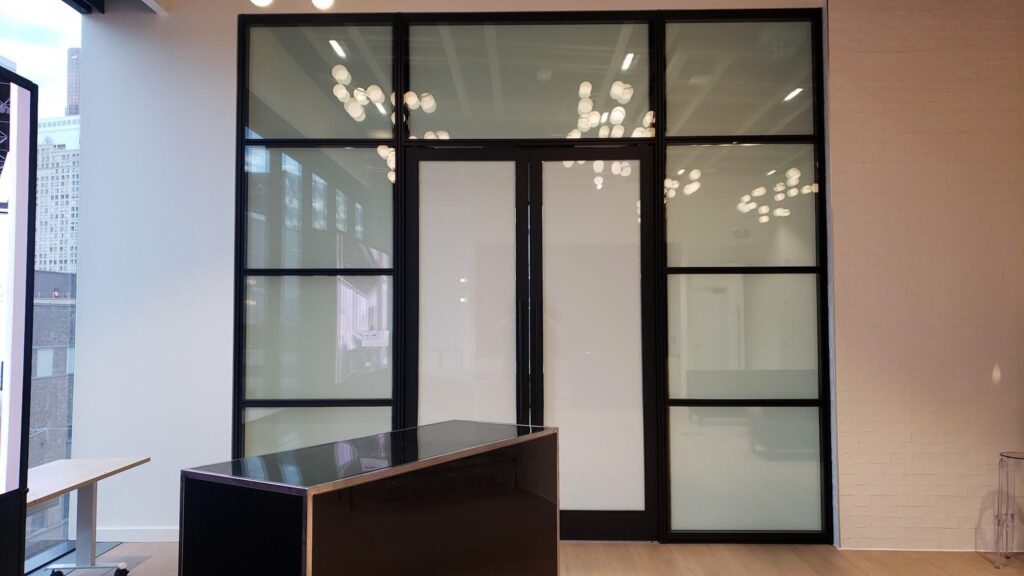
Smart Film can transform existing glass partitions into privacy glass.
What is Smart Glass?
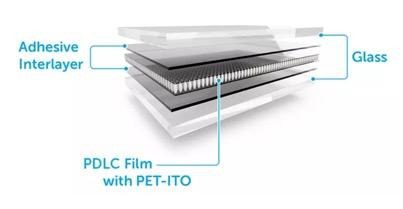
Smart Glass is manufactured differently. Instead of applying a film after installation, the PDLC privacy technology is laminated between two layers of glass during production.
This creates a sealed glass unit where the switching technology becomes part of the glass itself.
Smart Glass is commonly used in architectural projects and new construction, where windows, doors, or partitions are being manufactured specifically for the building.
Advantages of Smart Glass
Smart Glass offers several benefits for large architectural projects:
- Integrated privacy technology
- Highly durable laminated construction
- Can be produced as insulated glass units (IGU)
- Ideal for new building construction
- Used in high-end architectural designs
Because the technology is built directly into the glass, Smart Glass is often chosen for large commercial developments and luxury homes.
Cost Comparison: Smart Film vs Smart Glass
One of the biggest differences between these technologies is cost.
Smart Film is generally more affordable because:
- Existing glass can be used
- Installation is quicker
- No need to replace windows
Smart Glass tends to cost more due to:
- Custom glass manufacturing
- Shipping heavy glass units
- Professional glazing installation
For renovation projects, Smart Film often delivers the same privacy effect at a significantly lower cost.
Installation Differences
Installation is another major factor when choosing between these solutions.
Smart Film Installation
Smart Film installation typically involves:
- Cleaning the existing glass surface
- Applying the film to the glass
- Connecting the film to a power source
- Testing the switching system
The entire process can often be completed within a few hours.
Smart Glass Installation
Smart Glass installation is more complex because it requires:
- Manufacturing custom glass panels
- Transporting the glass units
- Installing them like traditional windows
This makes Smart Glass ideal for new construction projects, but less practical for upgrades.
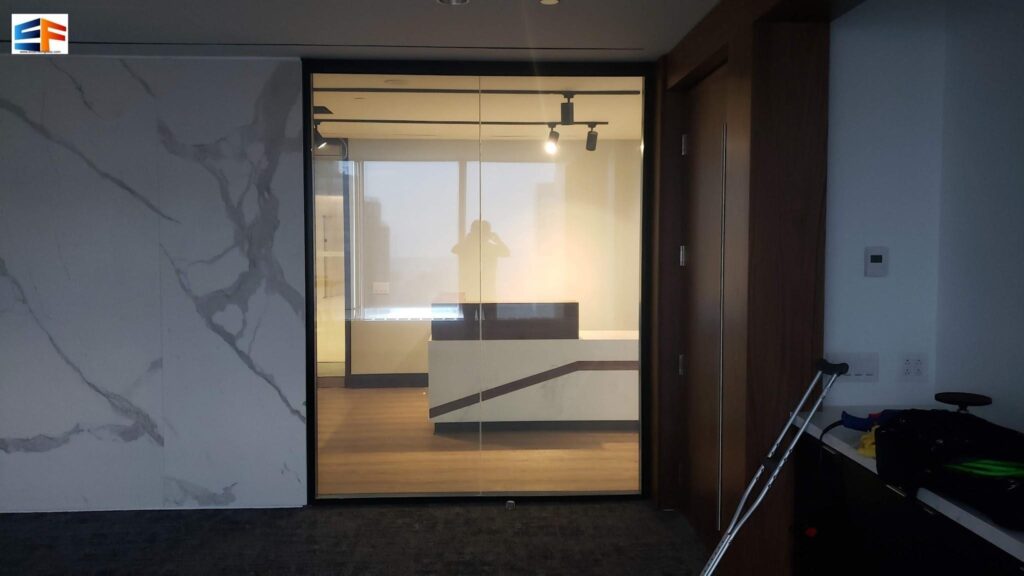
Smart privacy glass is widely used in modern office boardrooms.
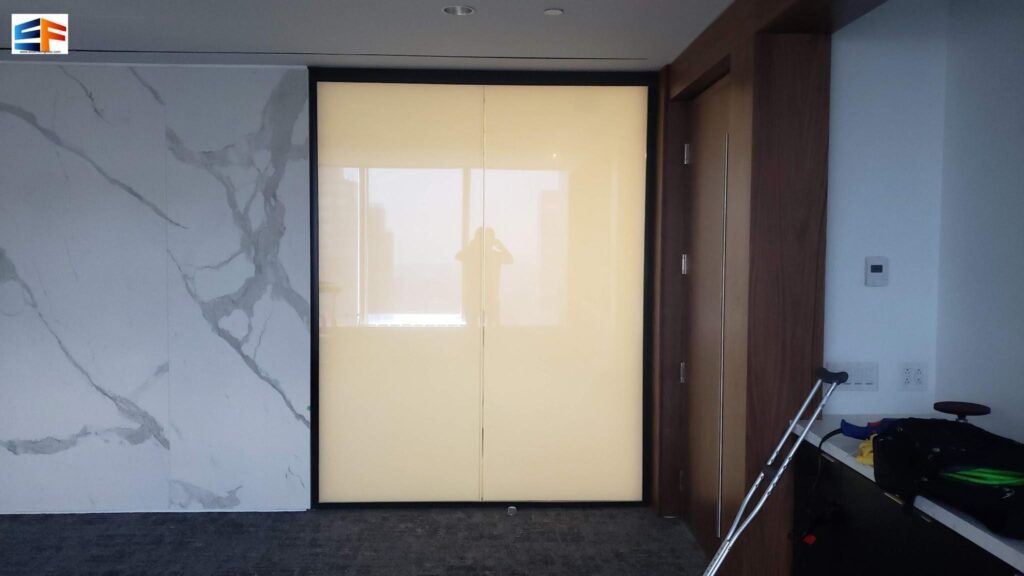
Smart privacy glass is widely used in modern office boardrooms.
Common Applications for Smart Film and Smart Glass
Both technologies are used across many industries.
Residential Uses
Homeowners commonly install Smart Film or Smart Glass in:
- Bathroom privacy windows
- Glass shower enclosures
- Skylights
- Sliding glass doors
- Luxury smart homes
The technology allows homeowners to maintain natural light while controlling privacy.
Commercial Uses
Businesses are adopting smart glass technology in:
- Office boardrooms
- Glass partitions
- Hospitals and clinics
- Hotels
- Retail spaces
For offices, switchable privacy glass provides instant privacy for meetings without blocking light.
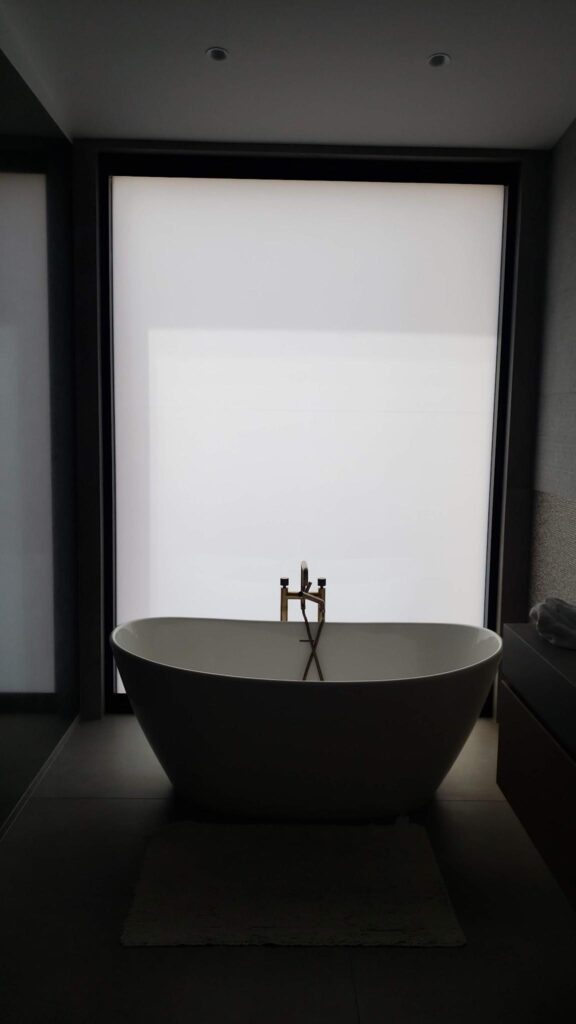
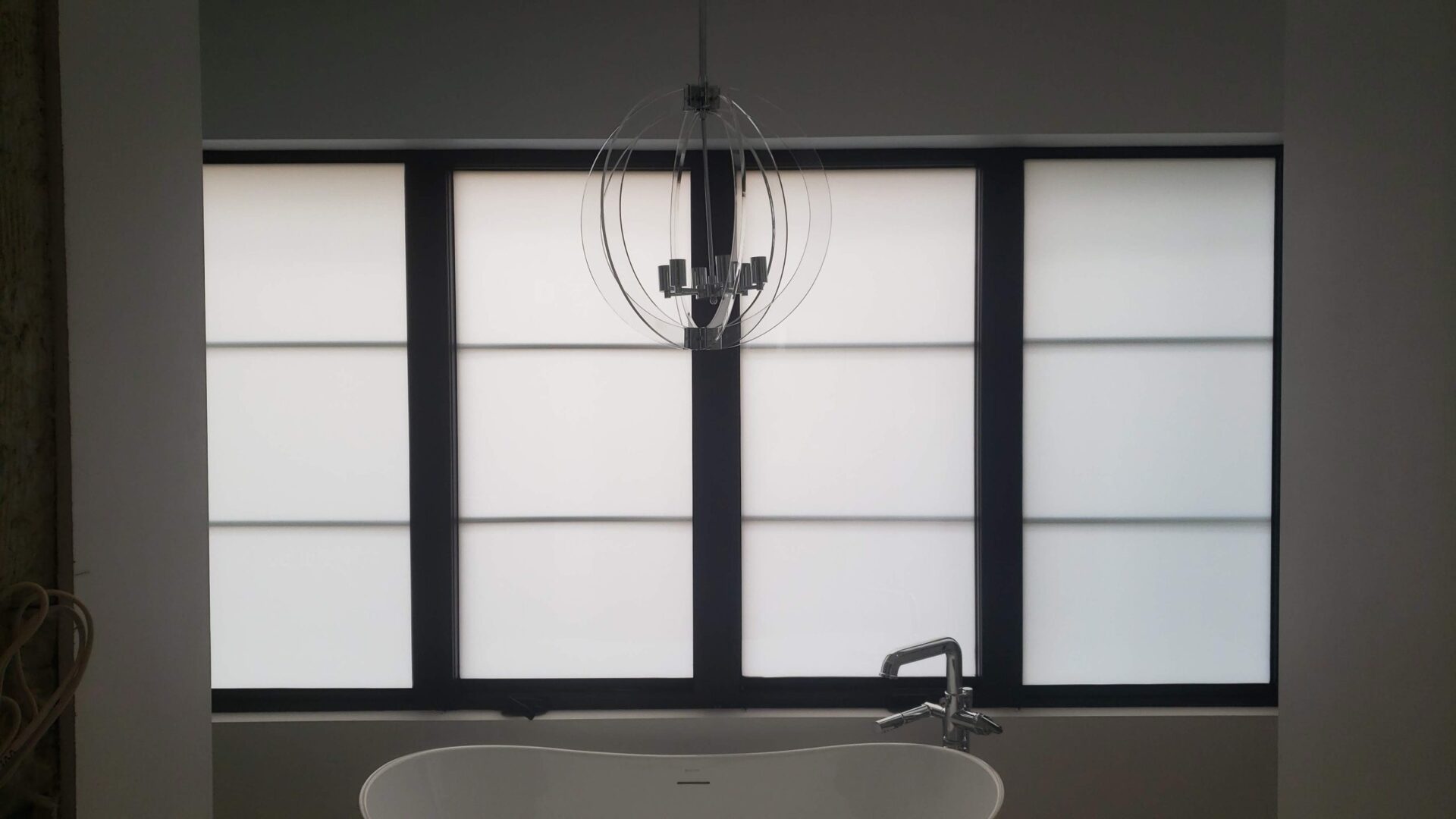
Smart glass provides privacy for bathrooms without curtains or blinds.
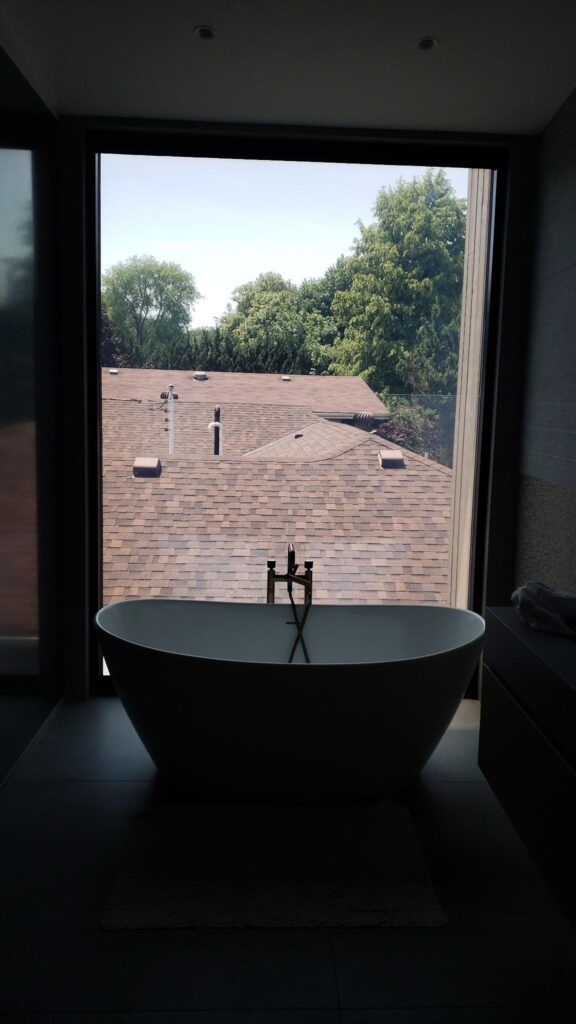
Smart glass provides privacy for bathrooms without curtains or blinds.
Which Option Should You Choose?
Choosing between Smart Film and Smart Glass depends on your project.
Smart Film is best for:
- Renovations
- Existing windows
- Faster installations
- Budget-conscious projects
Smart Glass is best for:
- New construction
- Custom architectural designs
- Integrated glass systems
For many applications, Smart Film delivers the same impressive results while saving significant costs.
The Future of Smart Privacy Glass
As smart homes and intelligent buildings continue to grow, smart privacy glass technology is becoming a standard feature in modern architecture.
New innovations are making the technology even more advanced, including:
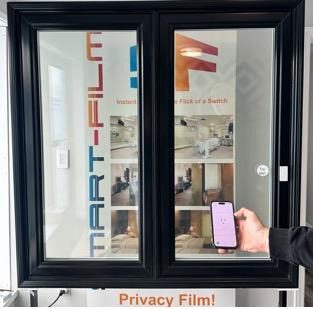
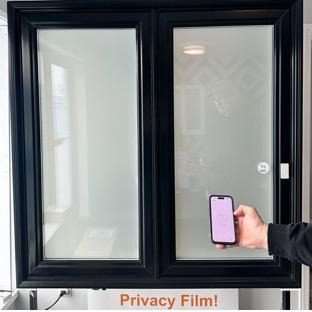
- Smartphone control
- Voice assistant integration
- Automated scheduling
- Wireless solar-powered systems
These features allow homeowners and businesses to control their privacy glass from anywhere with a single tap.
Frequently Asked Questions
Is Smart Film the same as Smart Glass?
No. Smart Film is applied to existing glass surfaces, while Smart Glass is manufactured as a complete glass unit with the technology built inside.
Which is more expensive?
Smart Glass is typically more expensive because it requires replacing the entire glass unit.
Can Smart Film be installed on any glass?
In most cases, yes. Smart Film can be applied to windows, doors, partitions, and skylights, as long as the glass surface is smooth and suitable for installation.
How long does Smart Film last?
High-quality Smart Film can last 10–20 years or more, depending on usage and installation conditions.
Final Thoughts
Smart Film and Smart Glass are transforming how we think about privacy and architectural design.
Both technologies provide the ability to instantly control transparency, eliminate blinds and curtains, and create sleek modern spaces.
The key difference is simple:
Smart Film upgrades existing glass.
Smart Glass replaces glass entirely.
For renovations, Smart Film is often the most practical and cost-effective solution, while Smart Glass remains an excellent option for new construction.
As technology continues to evolve, smart privacy glass is quickly becoming one of the most exciting innovations in modern architecture.